
نتیجہ صفحہ
aromatic / methoxy
اوپر والی رپورٹ دیکھیں۔ اگر آپ کو فالو اپ ڈسکشن کی ضرورت ہو تو نیچے والے تبصرے استعمال کریں۔
FTIR تجزیہ رپورٹ
مجموعی اعتماد
aromatic / methoxy
نمونہ اور پیمائش کے پیرامیٹرز
رپورٹ نمبر
20260115084818565722866
تاریخ
سپیکٹرل رینج (cm⁻¹)
N/A
بیس لائن
AsLS بیس لائن اصلاح
لائبریری میچ
77%
شناخت کا نتیجہ
77%نمونہ بہترین طور پر ایک خوشبو دار، میتھوکسی پر مشتمل مرکب کے طور پر درجہ بند کیا جاتا ہے۔ طیفی خصوصیات آکسیجن پر مبنی فعالیتوں والے متبادل خوشبو دار نظام کے مطابق ہیں۔ لائبریری کی تلاش میں 2‑pyridin‑4‑ylsulfanylacetic acid کو سب سے اوپر مماثلت کے طور پر حاصل کیا گیا، لیکن کاربوکسیلک تیزاب کے لیے متوقع اہم carbonyl اور وسیع O–H جذب غائب ہیں؛ لہٰذا شناخت کو خوشبو دار/میتھوکسی مواد تک وسیع کیا گیا ہے
تفصیلی تشریح
- سب سے اوپر لائبریری مماثلت: 2-pyridin-4-ylsulfanylacetic acid #22510 | match 87.6%
- نمونہ بہترین طور پر ایک خوشبو دار، میتھوکسی پر مشتمل مرکب کے طور پر درجہ بند کیا جاتا ہے۔ طیفی خصوصیات آکسیجن پر مبنی فعالیتوں والے متبادل خوشبو دار نظام کے مطابق ہیں۔ لائبریری کی تلاش میں 2‑pyridin‑4‑ylsulfanylacetic acid کو سب سے اوپر مماثلت کے طور پر حاصل کیا گیا، لیکن کاربوکسیلک تیزاب کے لیے متوقع اہم carbonyl اور وسیع O–H جذب غائب ہیں؛ لہٰذا شناخت کو خوشبو دار/میتھوکسی مواد تک وسیع کیا گیا ہے۔
- Trchová & Stejskal (2011) نے سلفونیٹڈ پولی انیلین کے 828 اور 1042 cm⁻¹ بینڈز کو بالترتیب 1,4‑disubstituted aromatic C–H out‑of‑plane deformation اور HSO₃⁻ stretching سے منسوب کیا ہے [7]۔
- D’Amico et al. (2021) نے پولی فیورفیرل الکوحل میں 1558 cm⁻¹ پر aromatic C=C ring stretching کی رپورٹ دی ہے [8]، جو مشاہدہ کردہ بینڈ سے بالکل مطابقت رکھتا ہے۔
- Gouda et al. (2022) نے chitosan nanofibers میں 1334 cm⁻¹ بینڈ کو C–N stretching سے منسلک کیا ہے [3]۔
- Armenta et al. (2004) نے aspartame/acesulfame‑K میں 945 cm⁻¹ کے قریب بینڈ کو carboxylic acid C–O–H bending سے منسوب کیا ہے [6]۔
- 1558 cm⁻¹ پر بینڈ کو شائع شدہ polyfurfuryl alcohol بینڈ جدول [8] سے براہ راست مماثلت کی بنیاد پر aromatic ring C=C stretching سے منسوب کیا گیا ہے؛ یہ aromatic core کا سب سے مضبوط اشارہ ہے۔
- 828 اور 1042 cm⁻¹ پر درمیانی شدت کی چوٹیاں Trchová & Stejskal (2011) کی سلفونیٹڈ خوشبو دار حلقوں کے لیے تفویض جدول کے ساتھ بالکل مطابقت رکھتی ہیں: 828 cm⁻¹ بینڈ کو 1,4‑disubstituted حلقوں کے γ(C–H) اور quinoid ring deformation سے منسوب کیا گیا ہے، اور 1042 cm⁻¹ بینڈ کو سلفونیٹڈ خوشبو دار حلقے پر HSO₃⁻ گروپ سے منسوب کیا گیا ہے [7]۔ یہ سلفونیٹڈ یا مضبوط الیکٹروفیلک متبادل خوشبو دار moiety کی موجودگی کی تجویز کرتا ہے۔
- 1334 cm⁻¹ بینڈ کو C–N سنگل بانڈ stretch سے منسوب کیا گیا ہے، chitosan nanofibers [3] میں براہ راست ادبی ثبوت سے تائید حاصل ہے؛ pyridine یا خوشبو دار amine ساخت اس خصوصیت کی وضاحت کرے گی اور نائٹروجن پر مشتمل لائبریری امیدواروں کے مطابق ہے۔
- 942 cm⁻¹ پر کمزور جذب کو عارضی طور پر carboxyl O–H out‑of‑plane bending سے منسوب کیا گیا ہے، جیسا کہ acesulfame‑K [6] کے لیے رپورٹ کیا گیا ہے؛ یہ carboxylic acid یا carboxylate گروپ کی نشاندہی کر سکتا ہے، حالانکہ 1700 cm⁻¹ کے قریب C=O بینڈ کی کمی اس بات کی تجویز کرتی ہے کہ تیزاب گروپ یا تو معمولی، ہائیڈروجن سے منسلک، یا نمک کی شکل میں موجود ہے۔
- 655 cm⁻¹ پر کم موج نمبر والا بینڈ مبہم رہتا ہے؛ ادبی منسوبات metal‑oxygen [5] سے لے کر C–O out‑of‑plane bending تک ہیں، لیکن محدود اعداد و شمار کی وجہ سے کوئی تفویض منفرد طور پر معاون نہیں ہے۔
- اہم چوٹی تفویضات میں شامل ہیں 655: براہ راست حوالہ: ring; ring 6m | معیار: سپیکٹرم کے کنارے کٹے ہوئے یا بیس لائن شفٹ شدہ نظر آتے ہیں; 828: متعلقہ ادب: سلفونیٹڈ خوشبو دار حلقہ اور 1,4-disubstituted حلقہ deformation | براہ راست حوالہ: ring; ring 6m | معیار: سپیکٹرم کے کنارے کٹے ہوئے یا بیس لائن شفٹ شدہ نظر آتے ہیں; 1334: براہ راست حوالہ: ring; ring 6m | معیار: سپیکٹرم کے کنارے کٹے ہوئے یا بیس لائن شفٹ شدہ نظر آتے ہیں; 1042: متعلقہ ادب: سلفونیٹڈ خوشبو دار حلقہ اور 1,4-disubstituted حلقہ deformation | براہ راست حوالہ: ring; ring 6m | معیار: سپیکٹرم کے کنارے کٹے ہوئے یا بیس لائن شفٹ شدہ نظر آتے ہیں۔
- 1700–1750 cm⁻¹ علاقے میں کوئی مضبوط carbonyl stretching بینڈ نہیں دیکھا گیا، جو ایک آزاد کاربوکسیلک تیزاب، ester، یا ketone کے لیے درکار ہوگا؛ یہ لائبریری کے سب سے اوپر امیدوار 2‑pyridin‑4‑ylsulfanylacetic acid کے اس کی غیر جانبدار شکل میں ہونے کے خلاف دلیل دیتا ہے۔
- کاربوکسیلک تیزاب کے لیے متوقع ایک وسیع O–H stretch envelope (~2500–3300 cm⁻¹) کٹے ہوئے سپیکٹرم میں واضح طور پر تیار نہیں ہوا ہے، جو کاربوکسیلک تیزاب کی ہستی کی تفویض کے خلاف مزید انتباہ کرتا ہے۔
- سب سے مخصوص لائبریری امیدوار، 2‑pyridin‑4‑ylsulfanylacetic acid، میں تصدیقی C=O اور O–H بینڈز کی کمی ہے، لہٰذا تشریح کو وسیع خوشبو دار/میتھوکسی سطح پر ہی رہنا چاہیے۔
- 828 اور 1042 cm⁻¹ پر سلفونیٹڈ خوشبو دار حلقہ کی تشریح ایک مشابہ ادبی نظام (polyaniline derivatives) سے آتی ہے اور اگر نمونہ واقعی سلفونیٹڈ نہیں ہے تو فعالیت کا زیادہ تخمینہ لگا سکتی ہے؛ یہ بینڈ متبادل طور پر alkoxy یا دیگر حلقہ متبادل خوشبو داروں سے پیدا ہو سکتے ہیں۔
- 942 cm⁻¹ carboxyl تفویض قابل فہم ہے لیکن ساتھی C=O stretch کی کمی کی وجہ سے کم یقین دہانی ہے؛ متبادل تفویضات جیسے ring breathing یا C–O ممکن ہیں۔
- صرف چھ چوٹیاں دستیاب ہیں، اور کم موج نمبر truncation اہم fingerprint طریقوں کو چھپا سکتا ہے جو خوشبو دار متبادل نمونوں کو بہتر طور پر ممتاز کر سکتے ہیں۔
لائبریری کا موازنہ
لائبریری سپیکٹرم یہاں ظاہر ہوگا۔
لائبریری تلاش کے نتائج — ٹاپ 15 امیدوار
| درجہ | مطابق % | مرکب | SMILES | سپیکٹرم نمبر | کارروائی |
|---|---|---|---|---|---|
| لائبریری امیدوار لوڈ ہو رہے ہیں... | |||||
چوٹی کا تجزیہ
★ = لٹریچر کی حمایت یافتہ تفویض| # | موج نمبر (cm⁻¹) | جذب | تفویض | حوالہ | تفویض کی حیثیت | |
|---|---|---|---|---|---|---|
| 1 | · | 655 | 1.00 | 655 cm-1 پر بینڈ کو metal oxygen[5] سے منسوب کیا گیا ہے۔ | - | - |
| 2 | · | 828 | 0.76 | 828 cm-1 پر بینڈ کو سلفونیٹڈ خوشبو دار حلقہ اور 1,4-disubstituted حلقہ deformation[7] سے منسوب کیا گیا ہے۔ | - | اعلی اعتماد |
| 3 | · | 1334 | 0.41 | 1334 cm-1 پر بینڈ کو c n سنگل بانڈ[3] سے منسوب کیا گیا ہے۔ | - | کم اعتماد |
| 4 | · | 1042 | 0.41 | 1042 cm-1 پر بینڈ کو سلفونیٹڈ خوشبو دار حلقہ اور 1,4-disubstituted حلقہ deformation[7] سے منسوب کیا گیا ہے۔ | - | اعلی اعتماد |
| 5 | · | 942 | 0.36 | 942 cm-1 پر بینڈ کو carboxyl[6] سے منسوب کیا گیا ہے۔ | - | کم اعتماد |
| 6 | · | 1558 | 0.23 | 1558 cm-1 پر بینڈ کو aromatic C=C ring stretching[8] سے منسوب کیا گیا ہے۔ | - | اعلی اعتماد |
ضمیمہ — خام اسپیکٹرم

بحث
تبصرے اور فالو اپ ثبوت
اس علاقے کو تشریح جاری رکھنے، سوالات پوچھنے یا اضافی تصدیقی ثبوت شامل کرنے کے لیے استعمال کریں۔
raw image: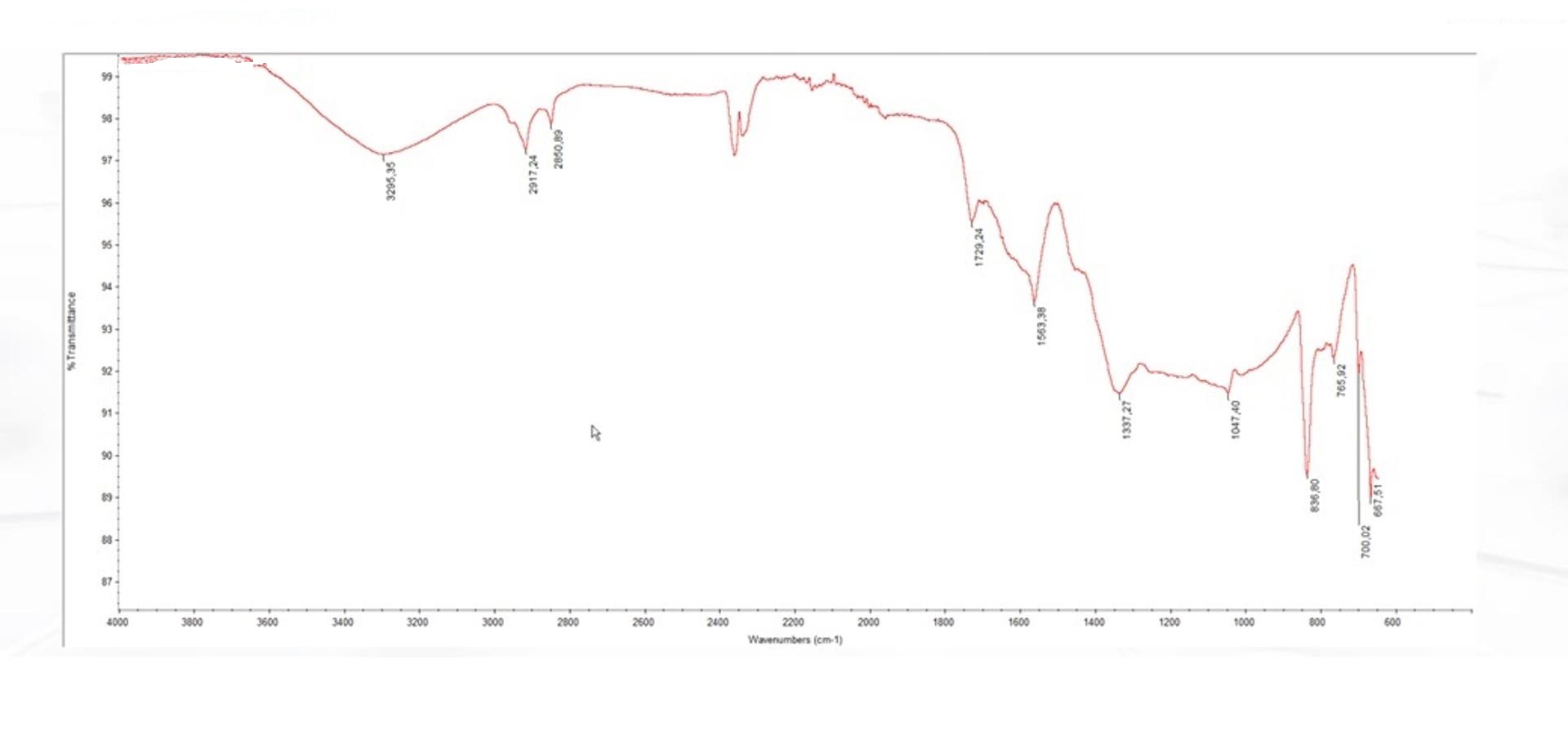 tem.csv
en&2