
TRANG KẾT QUẢ
carbonyl-containing ester material, plausibly an acrylate- or polyester-type composition
Xem báo cáo ở trên. Sử dụng các bình luận bên dưới nếu bạn cần thảo luận tiếp theo.
Báo cáo phân tích FTIR
carbonyl-containing ester material, plausibly an acrylate- or polyester-type composition
Thông số mẫu và đo lường
Số báo cáo
20250722000900659368613
Ngày
2025-07-23 02:14:16
Dải phổ (cm⁻¹)
[(650, 4000)]
Đường nền
Hiệu chỉnh đường nền AsLS
Khớp thư viện
0%
Kết quả nhận dạng
0%Phổ phù hợp nhất với vật liệu ester chứa carbonyl, với thư viện xếp Poly(ethyl acrylate) là ứng viên tên gần nhất. Tuy nhiên, độ mạnh tổng thể của sự phù hợp rất yếu và không có tài liệu tham khảo trực tiếp hoặc hỗ trợ từ y văn liên quan để biện minh cho việc xác định vật liệu chắc chắn. Các băng quan sát được hỗ trợ một thành phần hữu cơ chứa ester rộng, có khả năng nằm trong hướng acrylate hoặc polyester, nhưng bằng chứng hiện tại không đủ để xác nhận cụ thể Poly(ethyl acrylate).
Giải thích chi tiết
- Kết quả hàng đầu từ thư viện: Poly(ethyl acrylate) #347 | match 0.0%
- Phổ phù hợp nhất với vật liệu ester chứa carbonyl, với thư viện xếp Poly(ethyl acrylate) là ứng viên tên gần nhất. Tuy nhiên, độ mạnh tổng thể của sự phù hợp rất yếu và không có tài liệu tham khảo trực tiếp hoặc hỗ trợ từ y văn liên quan để biện minh cho việc xác định vật liệu chắc chắn. Các băng quan sát được hỗ trợ một thành phần hữu cơ chứa ester rộng, có khả năng nằm trong hướng acrylate hoặc polyester, nhưng bằng chứng hiện tại không đủ để xác nhận cụ thể Poly(ethyl acrylate).
- 1719-1727 cm⁻¹ hỗ trợ sự hiện diện của nhóm carbonyl trong vùng giống ester.
- 1113 cm⁻¹ phù hợp với dao động kéo dài C-O của ester.
- 2844 cm⁻¹ tương thích với hàm lượng hydrocarbon béo.
- Các tên trong thư viện hàng đầu bao gồm Poly(ethyl acrylate), Poly(1,4-butylene adipate), polymer acrylic và các hợp chất chứa ester khác, cho thấy một mô hình ester/carbonyl lặp lại.
- Một cặp băng mạnh ở 1719-1727 cm⁻¹ là đặc trưng của vùng kéo dài carbonyl giống ester.
- Băng ở 1113 cm⁻¹ hỗ trợ dao động kéo dài C-O dự kiến trong các vật liệu chứa ester.
- Các băng ở 2844 và 2740 cm⁻¹ chỉ ra dao động kéo dài C-H béo, phù hợp với khung ester hữu cơ.
- Mô hình 15 thư viện hàng đầu bị chi phối bởi các mục ester, carbonyl, polymer acrylate và polyester, hỗ trợ rộng rãi hướng vật liệu giàu ester.
- Mặc dù Poly(ethyl acrylate) là tên thư viện hàng đầu, tất cả các điểm tương đồng được liệt kê thực chất không phân biệt được, do đó việc truy xuất không phân biệt một cách chắc chắn polymer đó với các ứng viên chứa ester khác.
- Độ tin cậy của thư viện thấp, không có sự phân biệt có ý nghĩa giữa các ứng viên.
- Không tìm thấy tài liệu tham khảo liên quan để hỗ trợ cho một polymer hoặc danh tính phân tử nhỏ cụ thể.
- Tập hợp băng hạn chế không cung cấp các băng đặc trưng cần thiết để xác định một cách chắc chắn Poly(ethyl acrylate) so với các vật liệu chứa ester khác.
- Vẫn chưa rõ liệu mẫu cụ thể là Poly(ethyl acrylate), một polymer acrylic khác, một polyester hay một chất chứa ester trọng lượng phân tử thấp hơn.
- Đặc điểm ở 2740 cm⁻¹ tự nó không đủ để xác định một cấu trúc duy nhất khi không có các băng xác nhận mạnh hơn.
- Cần thêm thông tin vùng dấu vân tay đặc trưng để tách biệt polymer acrylate khỏi các vật liệu giàu ester khác.
So sánh thư viện
Phổ thư viện sẽ xuất hiện tại đây.
Kết quả tìm kiếm thư viện — 15 ứng cử viên hàng đầu
| Xếp hạng | Khớp % | Hợp chất | SMILES | Số phổ | Hành động |
|---|---|---|---|---|---|
| Đang tải ứng cử viên thư viện... | |||||
Phân tích đỉnh
★ = Gán ghép được hỗ trợ bởi tài liệuPhụ lục — Phổ thô

Thảo luận
Bình luận và bằng chứng theo dõi
Sử dụng khu vực này để tiếp tục diễn giải, đặt câu hỏi hoặc thêm bằng chứng xác minh bổ sung.
The above shows the FTIR analysis results of a doc file uploaded by a user from CANADA. The original image and extracted CSV file are displayed below.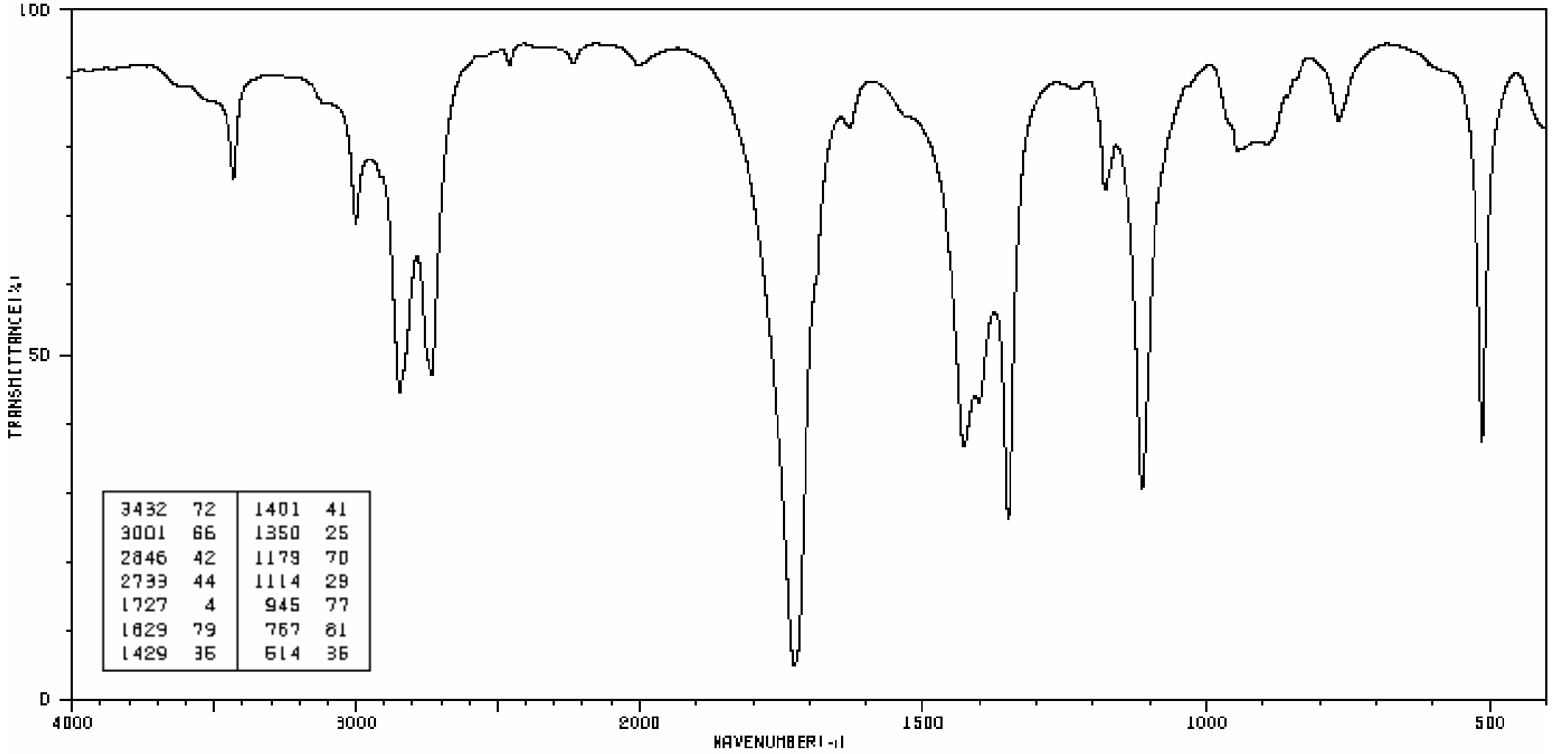 tem.csv
en&2