
carbonyl-containing ester material, plausibly an acrylate- or polyester-type composition
மேலே உள்ள அறிக்கையைப் பார்க்கவும். தொடர் விவாதம் தேவைப்பட்டால் கீழே உள்ள கருத்துகளைப் பயன்படுத்தவும்.
carbonyl-containing ester material, plausibly an acrylate- or polyester-type composition
மாதிரி & அளவீட்டு அளவுருக்கள்
அடையாள முடிவு
0%இந்த ஸ்பெக்ட்ரம் ஒரு கார்போனைல் கொண்ட எஸ்டர் பொருளுடன் மிகவும் ஒத்துப்போகிறது, நூலகம் பாலி(எத்தில் அக்ரிலேட்)ஐ அருகிலுள்ள பெயரிடப்பட்ட வேட்பாளராக வைக்கிறது. இருப்பினும், ஒட்டுமொத்த பொருத்த வலிமை மிகவும் பலவீனமாக உள்ளது மற்றும் உறுதியான பொருள் ஒதுக்கீட்டை நியாயப்படுத்த நேரடி குறிப்பு அல்லது தொடர்புடைய இலக்கிய ஆதரவு எதுவும் இல்லை. கவனிக்கப்பட்ட பேண்ட்கள் ஒரு பரந்த எஸ்டர் கொண்ட கரிம கலவையை ஆதரிக்கின்றன, அக்ரிலேட் அல்லது பாலியஸ்டர் போன்ற திசையில் இருக்கலாம், ஆனால் தற்போதைய சான்றுகள் குறிப்பாக பாலி(எத்தில் அக்ரிலேட்)ஐ உறுதிப்படுத்த போதுமானதாக இல்லை.
விரிவான விளக்கம்
- சிறந்த நூலக பொருத்தம்: Poly(ethyl acrylate) #347 | match 0.0%
- இந்த ஸ்பெக்ட்ரம் ஒரு கார்போனைல் கொண்ட எஸ்டர் பொருளுடன் மிகவும் ஒத்துப்போகிறது, நூலகம் பாலி(எத்தில் அக்ரிலேட்)ஐ அருகிலுள்ள பெயரிடப்பட்ட வேட்பாளராக வைக்கிறது. இருப்பினும், ஒட்டுமொத்த பொருத்த வலிமை மிகவும் பலவீனமாக உள்ளது மற்றும் உறுதியான பொருள் ஒதுக்கீட்டை நியாயப்படுத்த நேரடி குறிப்பு அல்லது தொடர்புடைய இலக்கிய ஆதரவு எதுவும் இல்லை. கவனிக்கப்பட்ட பேண்ட்கள் ஒரு பரந்த எஸ்டர் கொண்ட கரிம கலவையை ஆதரிக்கின்றன, அக்ரிலேட் அல்லது பாலியஸ்டர் போன்ற திசையில் இருக்கலாம், ஆனால் தற்போதைய சான்றுகள் குறிப்பாக பாலி(எத்தில் அக்ரிலேட்)ஐ உறுதிப்படுத்த போதுமானதாக இல்லை.
- 1719-1727 cm⁻¹ ஒரு எஸ்டர் போன்ற பகுதியில் கார்போனைல் குழு இருப்பதை ஆதரிக்கிறது.
- 1113 cm⁻¹ எஸ்டர் C-O நீட்சியுடன் ஒத்துப்போகிறது.
- 2844 cm⁻¹ அலிபாடிக் ஹைட்ரோகார்பன் உள்ளடக்கத்துடன் இணக்கமானது.
- முன்னணி நிறமாலை நூலகப் பெயர்களில் பாலி(எத்தில் அக்ரிலேட்), பாலி(1,4-பியூட்டிலீன் அடிபேட்), அக்ரிலிக் பாலிமர் மற்றும் பிற எஸ்டர் தாங்கும் சேர்மங்கள் அடங்கும், இது மீண்டும் மீண்டும் வரும் எஸ்டர்/கார்போனைல் மாதிரியைக் குறிக்கிறது.
- 1719-1727 cm⁻¹ இல் வலுவான பேண்ட் இணை ஒரு எஸ்டர் போன்ற கார்போனைல் நீட்சிப் பகுதியின் சிறப்பியல்பு.
- 1113 cm⁻¹ இல் உள்ள பேண்ட் எஸ்டர் கொண்ட பொருட்களில் எதிர்பார்க்கப்படும் C-O நீட்சியை ஆதரிக்கிறது.
- 2844 மற்றும் 2740 cm⁻¹ இல் உள்ள பேண்ட்கள் அலிபாடிக் C-H நீட்சியைக் குறிக்கின்றன, இது ஒரு கரிம எஸ்டர் கட்டமைப்புடன் ஒத்துப்போகிறது.
- Top-15 நிறமாலை நூலக மாதிரியானது எஸ்டர், கார்போனைல், அக்ரிலேட்-பாலிமர் மற்றும் பாலியஸ்டர் உள்ளீடுகளால் ஆதிக்கம் செலுத்துகிறது, இது பரந்த அளவில் எஸ்டர் நிறைந்த பொருள் திசையை ஆதரிக்கிறது.
- பாலி(எத்தில் அக்ரிலேட்) முதன்மை நூலகப் பெயராக இருந்தாலும், பட்டியலிடப்பட்ட அனைத்து ஒற்றுமைகளும் பயனுள்ளதாக பிரித்தறிய முடியாதவை, எனவே மீட்டெடுப்பு அந்த பாலிமரை மற்ற எஸ்டர் கொண்ட வேட்பாளர்களிடமிருந்து பாதுகாப்பாக வேறுபடுத்த முடியாது.
- நூலக நம்பிக்கை குறைவாக உள்ளது, வேட்பாளர்களிடையே அர்த்தமுள்ள பிரிப்பு இல்லை.
- ஒரு குறிப்பிட்ட பாலிமர் அல்லது சிறு-மூலக்கூறு அடையாளத்தை ஆதரிக்க தொடர்புடைய இலக்கிய பொருத்தம் மீட்டெடுக்கப்படவில்லை.
- வரையறுக்கப்பட்ட உச்சி தொகுப்பு பாலி(எத்தில் அக்ரிலேட்)ஐ மற்ற எஸ்டர் கொண்ட பொருட்களை விட பாதுகாப்பாக அடையாளம் காண தேவையான தனித்துவமான பேண்ட்களை வழங்கவில்லை.
- மாதிரி குறிப்பாக பாலி(எத்தில் அக்ரிலேட்), மற்றொரு அக்ரிலிக் பாலிமர், ஒரு பாலியஸ்டர் அல்லது குறைந்த மூலக்கூறு எடை எஸ்டர் கொண்ட பொருளா என்பது தெளிவாக இல்லை.
- 2740 cm⁻¹ இல் உள்ள அம்சம் வலுவான உறுதிப்படுத்தும் பேண்ட்கள் இல்லாத நிலையில் ஒரு தனித்துவமான கட்டமைப்பை வரையறுக்க போதுமானதாக இல்லை.
- அக்ரிலேட் பாலிமர்களை மற்ற எஸ்டர் நிறைந்த பொருட்களிலிருந்து பிரிக்க கூடுதல் சிறப்பியல்பு கைரேகை-பகுதி தகவல் தேவைப்படும்.
நூலக ஒப்பீடு
நூலக தேடல் முடிவுகள் — முதல் 15 வேட்பாளர்கள்
| தரவரிசை | பொருத்தம் % | கூட்டு | SMILES | ஸ்பெக்ட்ரம் எண். | செயல் |
|---|---|---|---|---|---|
| நூலக வேட்பாளர்களை ஏற்றுகிறது... | |||||
உச்ச பகுப்பாய்வு
★ = இலக்கிய ஆதரவு ஒதுக்கீடுஇணைப்பு — மூல ஸ்பெக்ட்ரம்

கருத்துகள் மற்றும் பின்தொடர் ஆதாரங்கள்
இந்தப் பகுதியைப் பயன்படுத்தி விளக்கத்தைத் தொடரவும், கேள்விகள் கேட்கவும் அல்லது கூடுதல் சரிபார்ப்பு ஆதாரங்களைச் சேர்க்கவும்.
The above shows the FTIR analysis results of a doc file uploaded by a user from CANADA. The original image and extracted CSV file are displayed below.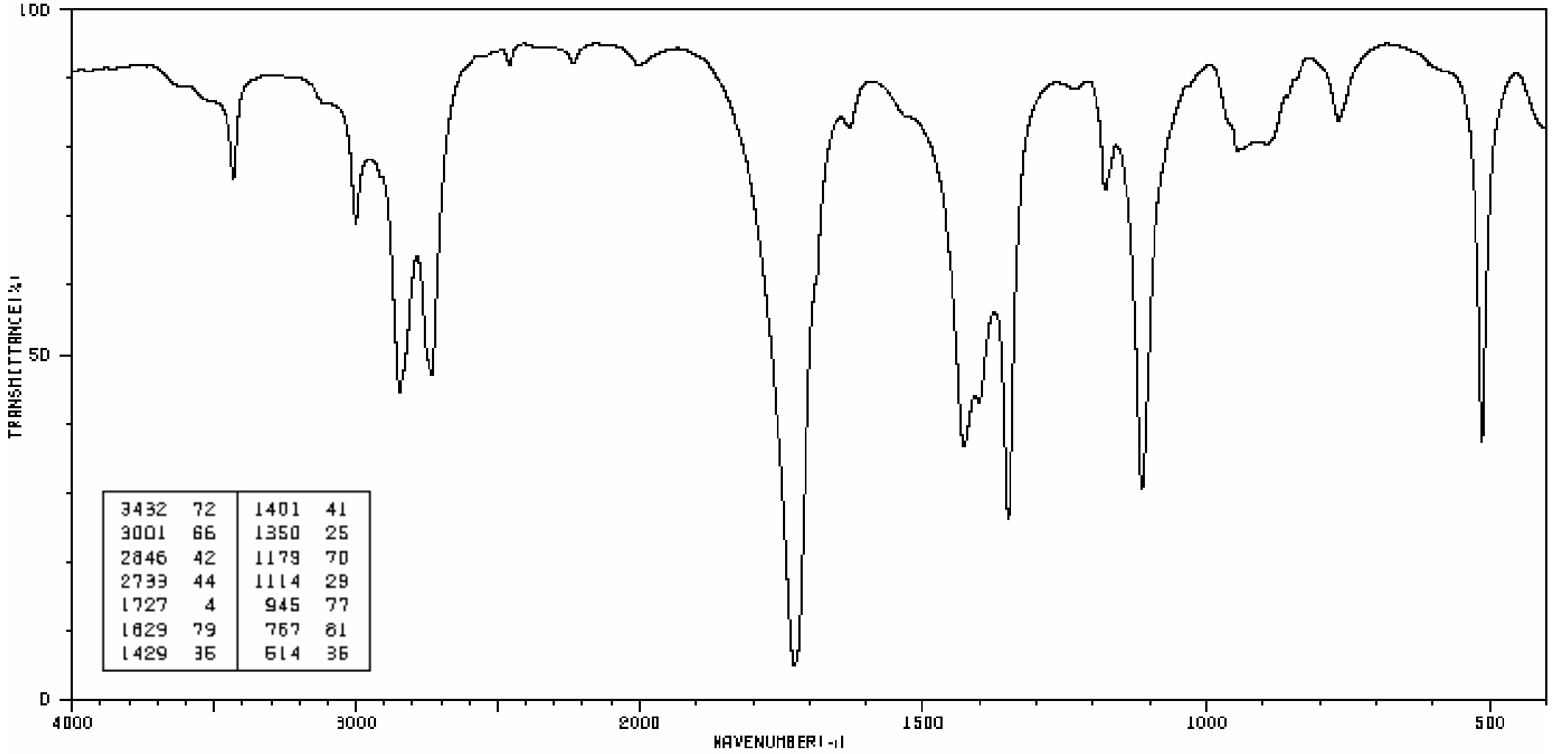 tem.csv
en&2