
СТРАНИЦА РЕЗУЛЬТАТОВ
carbonyl-containing ester material, plausibly an acrylate- or polyester-type composition
Просмотрите отчет выше. Используйте комментарии ниже, если вам нужно последующее обсуждение.
Отчет анализа FTIR
carbonyl-containing ester material, plausibly an acrylate- or polyester-type composition
Параметры образца и измерения
Отчет №
20250722000900659368613
Дата
2025-07-23 02:14:16
Спектральный диапазон (cm⁻¹)
[(650, 4000)]
Базовая линия
Коррекция базовой линии AsLS
Библиотечное совпадение
0%
Результат идентификации
0%Спектр наиболее согласуется с карбонилсодержащим эфирным материалом, при этом библиотека указывает на Poly(ethyl acrylate) как на ближайшего названного кандидата. Однако общая надежность совпадения очень слабая, и нет прямой ссылки или поддержки из соответствующей литературы, чтобы обосновать точное определение материала. Наблюдаемые полосы подтверждают широкий эфирсодержащий органический состав, возможно, в направлении акрилата или полиэфира, но имеющиеся данные недостаточны для подтверждения именно Poly(ethyl acrylate).
Детальная интерпретация
- Лучшее совпадение в библиотеке: Poly(ethyl acrylate) #347 | match 0.0%
- Спектр наиболее согласуется с карбонилсодержащим эфирным материалом, при этом библиотека указывает на Poly(ethyl acrylate) как на ближайшего названного кандидата. Однако общая надежность совпадения очень слабая, и нет прямой ссылки или поддержки из соответствующей литературы, чтобы обосновать точное определение материала. Наблюдаемые полосы подтверждают широкий эфирсодержащий органический состав, возможно, в направлении акрилата или полиэфира, но имеющиеся данные недостаточны для подтверждения именно Poly(ethyl acrylate).
- 1719-1727 см⁻¹ подтверждает наличие карбонильной группы в эфироподобной области.
- 1113 см⁻¹ соответствует растяжению C-O в эфирах.
- 2844 см⁻¹ совместимо с содержанием алифатических углеводородов.
- Основные названия библиотеки включают Poly(ethyl acrylate), Poly(1,4-butylene adipate), акриловый полимер и другие эфирсодержащие соединения, что указывает на повторяющийся эфир/карбонильный паттерн.
- Сильная полоса пара при 1719-1727 см⁻¹ характерна для эфироподобной области растяжения карбонила.
- Полоса при 1113 см⁻¹ подтверждает растяжение C-O, ожидаемое в эфирсодержащих материалах.
- Полосы при 2844 и 2740 см⁻¹ указывают на алифатическое растяжение C-H, что согласуется с органической эфирной структурой.
- Паттерн топ-15 библиотеки в основном состоит из записей эфира, карбонила, акрилатного полимера и полиэфира, что в целом подтверждает направление материала, богатого эфирами.
- Хотя Poly(ethyl acrylate) является лучшим названием в библиотеке, все перечисленные сходства фактически недискриминирующие, поэтому поиск не позволяет надежно отличить этот полимер от других эфирсодержащих кандидатов.
- Достоверность библиотеки низкая, без значимого разделения между кандидатами.
- Не найдено совпадений с соответствующей литературой, подтверждающих конкретный полимер или низкомолекулярное соединение.
- Ограниченный набор пиков не дает отличительных полос, необходимых для надежной идентификации Poly(ethyl acrylate) по сравнению с другими эфирсодержащими материалами.
- Остается неясным, является ли образец именно Poly(ethyl acrylate), другим акриловым полимером, полиэфиром или низкомолекулярным эфирсодержащим веществом.
- Особенность при 2740 см⁻¹ сама по себе недостаточна для определения уникальной структуры при отсутствии более сильных подтверждающих полос.
- Для разделения акрилатных полимеров и других богатых эфирами материалов потребуется дополнительная характерная информация из области отпечатков.
Сравнение библиотек
Спектр библиотеки появится здесь.
Результаты поиска по библиотеке — Топ-15 кандидатов
| Ранг | Совпадение % | Составной | SMILES | Спектр № | Действие |
|---|---|---|---|---|---|
| Загрузка кандидатов из библиотеки... | |||||
Анализ пиков
★ = Подтвержденное литературой присвоениеПриложение — Исходный спектр

Обсуждение
Комментарии и последующие доказательства
Используйте эту область, чтобы продолжить интерпретацию, задать вопросы или добавить дополнительные доказательства проверки.
The above shows the FTIR analysis results of a doc file uploaded by a user from CANADA. The original image and extracted CSV file are displayed below.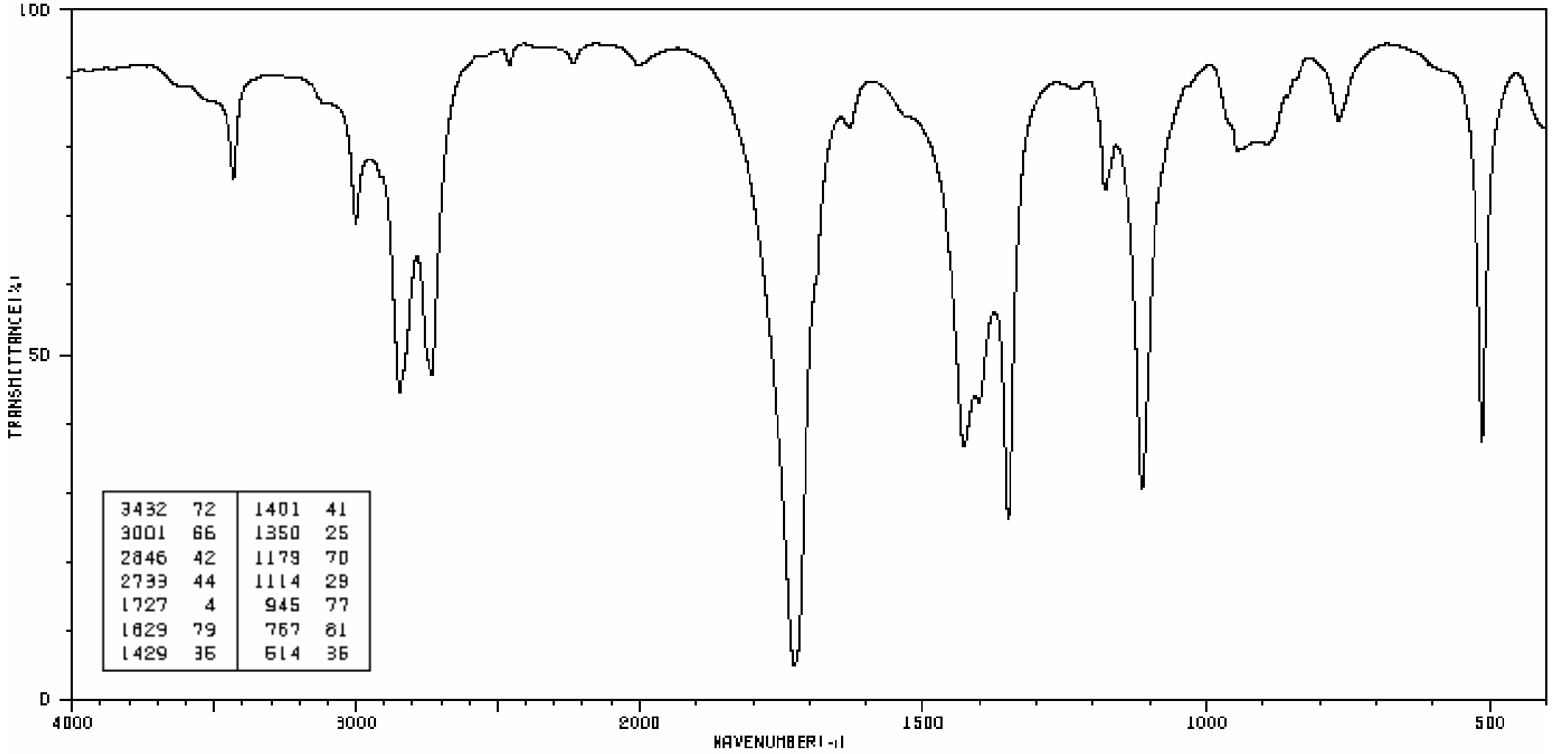 tem.csv
en&2