
aromatic oxygen-containing organic material, possibly a phenolic or carboxylated aromatic compound
Se rapporten ovenfor. Bruk kommentarfeltet under hvis du trenger oppfølging.
aromatic oxygen-containing organic material, possibly a phenolic or carboxylated aromatic compound
Prøve- og måleparametere
Identifikasjonsresultat
0%Det nåværende FTIR-resultatet støtter ikke en sikker materialidentifikasjon. Selv om det nærmeste bibliotektreffet er 1-hydroksynaftalen-2-karboksylsyre, er alle listede biblioteklikheter effektivt null, og ingen direkte eller relatert litteraturevidens støtter uavhengig den spesifikke forbindelsen. Det observerte spekteret er mer trygt beskrevet som et aromatisk oksygenholdig organisk materiale, med bånd forenlig med aromatiske C-H/ut-av-plan trekk og mulig O-H-funksjonalitet, men uten et overbevisende sett av karakteristiske bånd som kreves for å bekrefte en spesifikk fenolisk karboksylsyre.
Detaljert tolkning
- Beste bibliotektreff: 1-hydroxynaphthalene-2-carboxylic acid #77968 | treff 0.0%
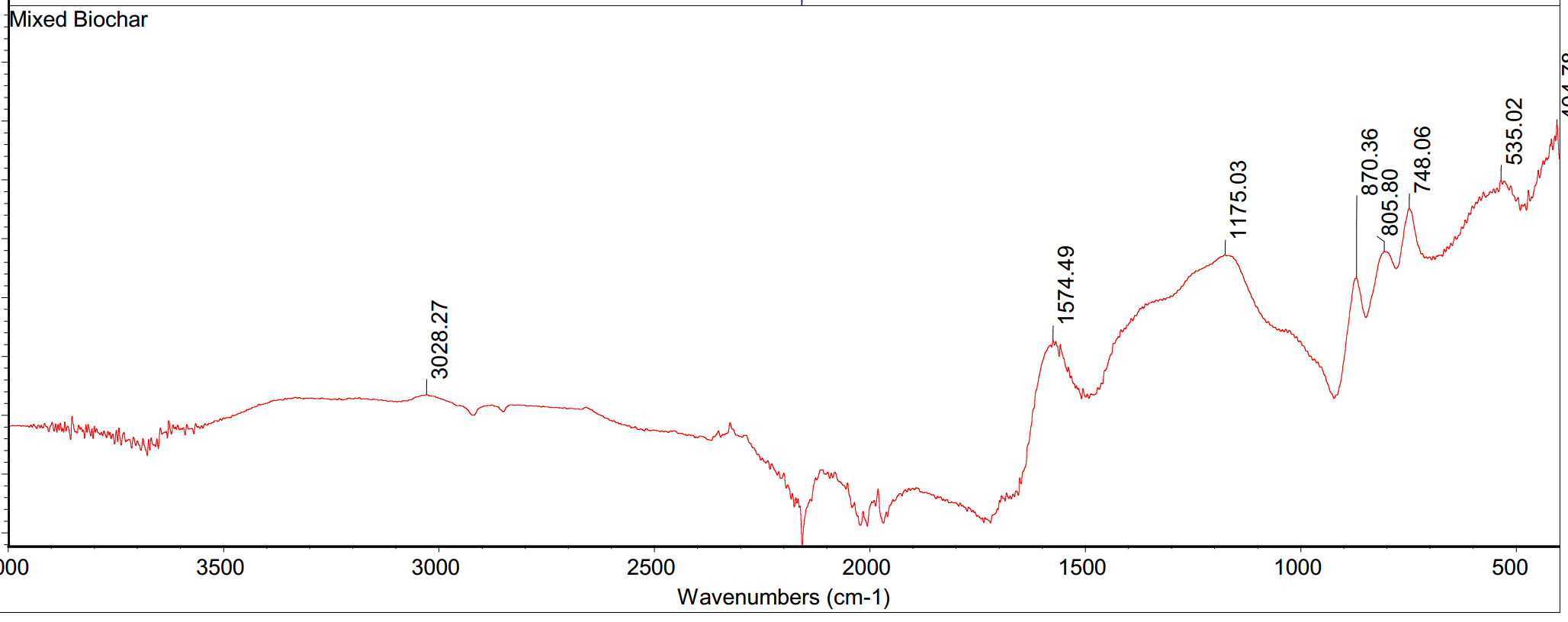
- Aromatiske regionbånd ved 748, 804, 873 og 3033 cm-1 støtter tilstedeværelsen av en aromatisk organisk komponent.
- 3302 cm-1-funksjonen er forenlig med O-H-holdig kjemi, som fenolisk eller annet hydroksylholdig materiale.
- Det beste bibliotekkandidatet, 1-hydroksynaftalen-2-karboksylsyre, er i det minste kjemisk forenlig med en aromatisk oksygenholdig forbindelse.
- Det sterkeste brukervendte biblioteknavnet som er tilgjengelig er 1-hydroksynaftalen-2-karboksylsyre, men den rapporterte treffkvaliteten er svært lav og rettferdiggjør ikke en enhetsnivå-tildeling.
- Prøven viser bånd ved 748, 804 og 873 cm-1, som er forenlige med aromatiske ring C-H ut-av-plan vibrasjoner og støtter derfor en aromatisk komponent.
- Et bånd nær 3033 cm-1 er i samsvar med aromatisk eller umettet C-H-strekking.
- Bånd nær 3302 cm-1 og høyfrekvensfunksjonene ved 3855 og 3989 cm-1 antyder mulige O-H-holdige arter, selv om de svært høyfrekvente signalene også kan reflektere svake, frie eller ikke-ideelle trekk snarere enn et veldefinert bulkmønster for funksjonelle grupper.
- Topp-15-biblioteklisten er kjemisk heterogen, men flere kandidater inneholder aromatiske ringer og/eller oksygenert funksjonalitet; dette brede mønsteret er bare forenlig med en generell aromatisk oksygenert retning, ikke med et enkelt navngitt materiale.
- Alle rapporterte bibliotekkandidatlikheter er på nullnivå, så biblioteksøket gir ikke et troverdig spesifikt treff.
- En spesifikk tildeling til 1-hydroksynaftalen-2-karboksylsyre ville normalt kreve sterkere støttende bevis for en karboksylsyrekarbonyl og tilhørende syre O-H-mønster, som ikke er overbevisende etablert fra den nåværende topplisten.
- Kandidatlisten inkluderer svært forskjellige kjemier som nitroheteroaromatiske, polyamin, sulfamid og svovelholdige polymerposter, noe som indikerer svak gjenfinningskoherens.
- Funksjoner rundt 1894, 1984, 2111 og 2325 cm-1 gir ikke et klart, prøvedefinerende treff til den ledende kandidaten og kan reflektere uspesifikke, overtoner, atmosfæriske eller målingsrelaterte bidrag.
- Den nåværende evidensen støtter bare en bred aromatisk oksygenholdig organisk retning.
- Det forblir usikkert om den oksygenerte funksjonaliteten er primært fenolisk, karboksylsyre eller et annet hydroksylholdig motiv.
- Uten sterkere karakteristiske bånd eller en forbedret bibliotekmatch, kan prøven ikke pålitelig tildeles det navngitte topptreffet.
Biblioteksammenligning
Biblioteksøkeresultater — Topp 15 kandidater
| Rangering | Treff % | Sammensatt | SMILES | Spektrumnr. | Handling |
|---|---|---|---|---|---|
| Laster bibliotekkandidater... | |||||
Toppanalyse
★ = Litteraturstøttet tilordning| # | Bølgetall (cm⁻¹) | Absorbans | Oppgave | Sitering | Tilordningsstatus | |
|---|---|---|---|---|---|---|
| 1 | · | 748 | 1.00 | - | - | - |
| 2 | · | 804 | 0.87 | - | - | - |
| 3 | · | 1172 | 0.86 | - | - | - |
| 4 | · | 873 | 0.79 | - | - | - |
| 5 | · | 1574 | 0.59 | - | - | - |
| 6 | · | 3033 | 0.44 | - | - | - |
| 7 | · | 3302 | 0.43 | - | - | - |
| 8 | · | 2834 | 0.41 | - | - | - |
| 9 | · | 3989 | 0.36 | - | - | - |
| 10 | · | 3855 | 0.35 | - | - | - |
| 11 | · | 2325 | 0.34 | - | - | - |
| 12 | · | 2111 | 0.20 | - | - | - |
| 13 | · | 1894 | 0.15 | - | - | - |
| 14 | · | 1984 | 0.11 | - | - | - |
Vedlegg — Råspektrum

Kommentarer og oppfølgingsbevis
Bruk dette området for å fortsette tolkningen, stille spørsmål eller legge til ekstra verifiseringsbevis.
The above shows the FTIR analysis results of a pdf file uploaded by a user (IP: 86.XX ). The original image is displayed below.
 CSV FILE:CSV.CSV
en&2