
ఫలితాల పేజీ
aliphatic hydrocarbon material consistent with polyethylene-like methylene-rich chains
పై నివేదికను వీక్షించండి. మీకు ఫాలో-అప్ చర్చ అవసరమైతే క్రింద వ్యాఖ్యలను ఉపయోగించండి.
FTIR విశ్లేషణ నివేదిక
aliphatic hydrocarbon material consistent with polyethylene-like methylene-rich chains
నమూనా & కొలత పారామితులు
నివేదిక సంఖ్య.
20250522161800801480247
తేదీ
2025-05-22 23:04:28
స్పెక్ట్రల్ పరిధి (cm⁻¹)
[(650, 4000)]
బేస్లైన్
AsLS బేస్లైన్ సవరణ
లైబ్రరీ మ్యాచ్
0%
గుర్తింపు ఫలితం
0%స్పెక్ట్రం మిథిలీన్ C-H కంపనాలచే ఆధిపత్యం చెలాయించబడిన సాధారణ అలిఫాటిక్ హైడ్రోకార్బన్ పదార్థంతో చాలా స్థిరంగా ఉంటుంది, సమీప లైబ్రరీ దిశగా పాలిథిలీన్ లాంటి ప్రొఫైల్తో ఉంటుంది. అయితే, లైబ్రరీ మ్యాచ్ నాణ్యత చాలా బలహీనంగా ఉంది మరియు ఏ ప్రత్యక్ష సూచన లేదా సంబంధిత-సాహిత్య సాక్ష్యం స్వతంత్రంగా నిర్దిష్ట పాలిమర్ గ్రేడ్ లేదా ఖచ్చితమైన గుర్తింపును నిర్ధారించదు, కాబట్టి అత్యంత మద్దతు ఇవ్వదగిన ముగింపు దృఢమైన ఎంటిటీ కేటాయింపు కంటే విస్తృతమైన పాలిథిలీన్ లాంటి మిథిలీన్-రిచ్ హైడ్రోకార్బన్ పదార్థం.
వివరణాత్మక వివరణ
- అత్యుత్తమ లైబ్రరీ మ్యాచ్: Polyethylene,high density #14511 | match 0.0%
- స్పెక్ట్రం మిథిలీన్ C-H కంపనాలచే ఆధిపత్యం చెలాయించబడిన సాధారణ అలిఫాటిక్ హైడ్రోకార్బన్ పదార్థంతో చాలా స్థిరంగా ఉంటుంది, సమీప లైబ్రరీ దిశగా పాలిథిలీన్ లాంటి ప్రొఫైల్తో ఉంటుంది. అయితే, లైబ్రరీ మ్యాచ్ నాణ్యత చాలా బలహీనంగా ఉంది మరియు ఏ ప్రత్యక్ష సూచన లేదా సంబంధిత-సాహిత్య సాక్ష్యం స్వతంత్రంగా నిర్దిష్ట పాలిమర్ గ్రేడ్ లేదా ఖచ్చితమైన గుర్తింపును నిర్ధారించదు, కాబట్టి అత్యంత మద్దతు ఇవ్వదగిన ముగింపు దృఢమైన ఎంటిటీ కేటాయింపు కంటే విస్తృతమైన పాలిథిలీన్ లాంటి మిథిలీన్-రిచ్ హైడ్రోకార్బన్ పదార్థం.
- సంతృప్త అలిఫాటిక్ C-H కార్యాచరణకు బలమైన మద్దతు 2928/2919 మరియు 2854 cm-1 బ్యాండ్ల నుండి వస్తుంది.
- 1458 cm-1 బ్యాండ్ గొలుసు లాంటి హైడ్రోకార్బన్ వాతావరణంలో సమృద్ధిగా ఉన్న మిథిలీన్ సమూహాలకు మద్దతు ఇస్తుంది.
- లైబ్రరీ ఏకాభిప్రాయం n-h / మిథైల్ వైపు చూపుతుంది మరియు అనేక మిథిలీన్-రిచ్ హైడ్రోకార్బన్ అభ్యర్థులను కలిగి ఉంటుంది, పాలిథిలీన్-కుటుంబ ఎంట్రీలు ముందంజలో ఉన్నాయి.
- సుమారు 2928/2919 మరియు 2854 cm-1 వద్ద గమనించిన బ్యాండ్లు మిథిలీన్-రిచ్ గొలుసుల నుండి అలిఫాటిక్ C-H సాగతానికి లక్షణంగా ఉంటాయి.
- 1458 cm-1 దగ్గర బ్యాండ్ సంతృప్త హైడ్రోకార్బన్ పదార్థాలలో CH2 బెండింగ్తో స్థిరంగా ఉంటుంది.
- టాప్-15 లైబ్రరీ నమూనా పాలిథిలీన్, LDPE, క్లోరినేటెడ్ పాలిథిలీన్ మరియు లాంగ్-చైన్ ఆల్కైల్/ఈస్టర్ సమ్మేళనాలతో సహా లాంగ్-చైన్ హైడ్రోకార్బన్ లాంటి ఎంట్రీలచే ఆధిపత్యం చెలాయించబడింది, ఇది సమిష్టిగా మిథిలీన్-రిచ్ అలిఫాటిక్ కూర్పుకు మద్దతు ఇస్తుంది.
- సమీప పేరున్న లైబ్రరీ హిట్ పాలిథిలీన్, అధిక సాంద్రత, కానీ జాబితా చేయబడిన అన్ని సారూప్యతలు ప్రభావవంతంగా వివక్షత లేనివి, కాబట్టి తిరిగి పొందడం HDPE ను ఇతర లాంగ్-చైన్ సంతృప్త హైడ్రోకార్బన్ పదార్థాల నుండి సురక్షితంగా వేరు చేయదు.
- ప్రస్తుత స్పెక్ట్రం సారాంశంలో HDPE ను ఇతర పాలిథిలీన్ గ్రేడ్ల నుండి లేదా ఇతర లాంగ్-చైన్ సంతృప్త హైడ్రోకార్బన్ల నుండి సురక్షితంగా వేరు చేయడానికి అవసరమైన అదనపు లక్షణ బ్యాండ్లు లేవు.
- అనేక టాప్-15 అభ్యర్థులు ఈస్టర్, సుగంధ, హాలోజనేటెడ్ లేదా నైట్రోజన్-కలిగిన నిర్మాణాలు వంటి కార్యాచరణలను కలిగి ఉంటాయి, కానీ ప్రస్తుత పీక్ జాబితా ఆ సంకుచిత కేటాయింపులకు సంబంధిత మద్దతు బ్యాండ్లను అందించదు.
- నివేదించబడిన లైబ్రరీ సారూప్యతలు అన్నీ 0.000 కాబట్టి, లైబ్రరీ ఫలితం ఎంటిటీ స్థాయిలో దృఢమైన పదార్థ గుర్తింపును సమర్థించడానికి తగినంత బలంగా లేదు.
- అందుబాటులో ఉన్న శిఖరాలు మిథిలీన్-రిచ్ అలిఫాటిక్ పదార్థానికి మద్దతు ఇస్తాయి కానీ పాలిథిలీన్, అధిక సాంద్రతను ప్రత్యేకంగా గుర్తించవు.
- విస్తృత స్పెక్ట్రల్ కవరేజ్ లేకపోవడం కీలకమైన వివక్ష ప్రాంతాలను పరీక్షించకుండా వదిలివేస్తుంది, ముఖ్యంగా ఫింగర్ప్రింట్ ప్రాంతం మరియు శాఖ, ఆక్సీకరణ, ఈస్టర్ కంటెంట్ లేదా హాలోజన్ ప్రత్యామ్నాయాన్ని నిర్ధారించగల లేదా మినహాయించగల ఏవైనా బ్యాండ్లు.
- బలమైన మ్యాచింగ్ లేదా స్వతంత్ర సూచన సాక్ష్యం లేకుండా, ముగింపు పాలిథిలీన్ లాంటి హైడ్రోకార్బన్ దిశలోనే ఉండాలి.
లైబ్రరీ పోలిక
లైబ్రరీ స్పెక్ట్రమ్ ఇక్కడ కనిపిస్తుంది.
లైబ్రరీ శోధన ఫలితాలు — టాప్ 15 అభ్యర్థులు
| ర్యాంక్ | సరిపోలిక % | సమ్మేళనం | SMILES | స్పెక్ట్రం నం. | చర్య |
|---|---|---|---|---|---|
| లైబ్రరీ అభ్యర్థులను లోడ్ చేస్తోంది... | |||||
శిఖర విశ్లేషణ
★ = సాహిత్య-సమర్థిత నియామకంఅనుబంధం — రా స్పెక్ట్రమ్

చర్చ
వ్యాఖ్యలు మరియు ఫాలో-అప్ సాక్ష్యం
ఈ ప్రాంతాన్ని ఉపయోగించి వివరణ కొనసాగించండి, ప్రశ్నలు అడగండి లేదా అదనపు ధృవీకరణ సాక్ష్యాన్ని జోడించండి.
The above shows the FTIR analysis results of a jpg file uploaded by a user (IP: 47.XX ). The original image is displayed below.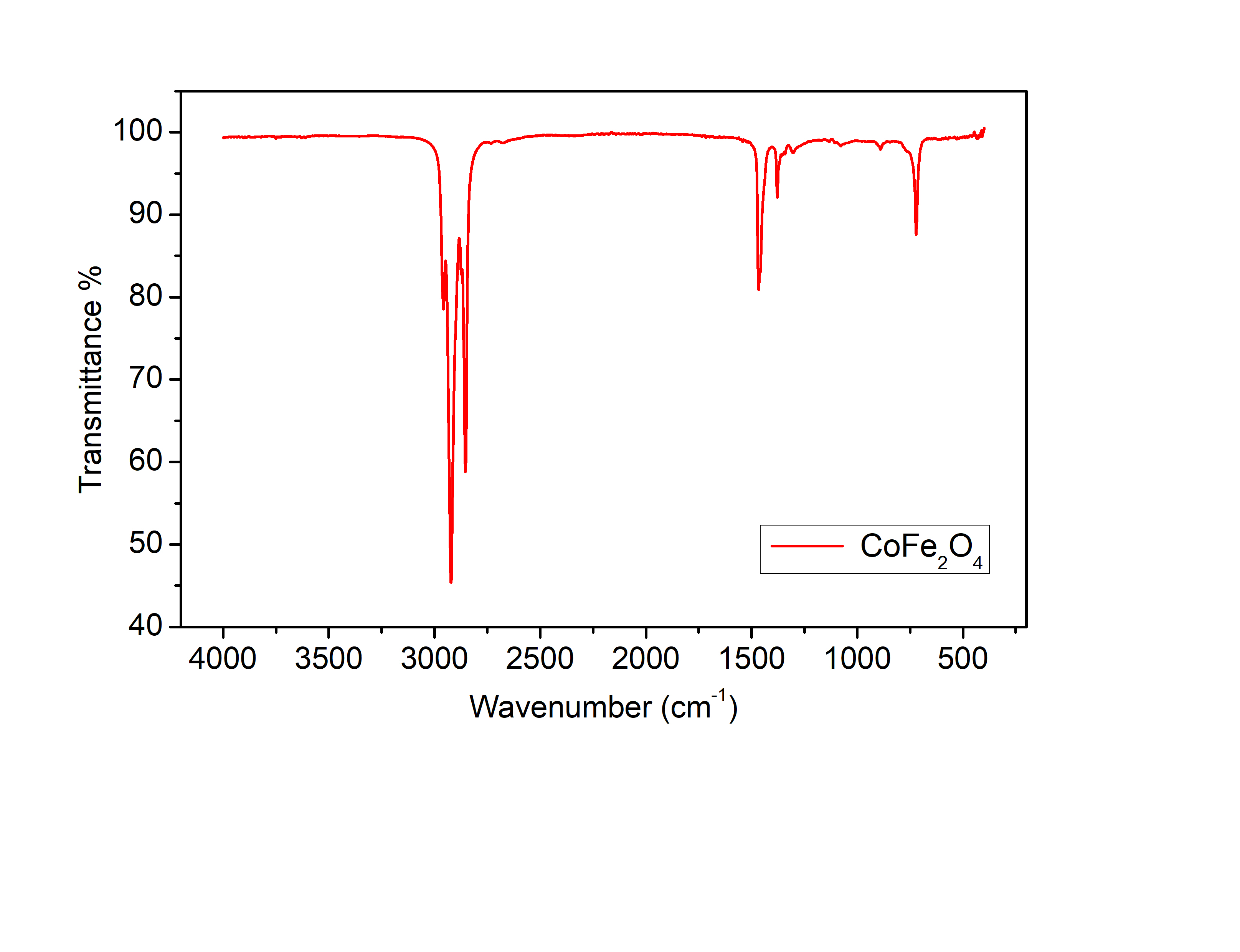 CSV FILE:tem.csv
en&2