
aliphatic hydrocarbon material consistent with polyethylene-like methylene-rich chains
மேலே உள்ள அறிக்கையைப் பார்க்கவும். தொடர் விவாதம் தேவைப்பட்டால் கீழே உள்ள கருத்துகளைப் பயன்படுத்தவும்.
aliphatic hydrocarbon material consistent with polyethylene-like methylene-rich chains
மாதிரி & அளவீட்டு அளவுருக்கள்
அடையாள முடிவு
0%ஸ்பெக்ட்ரம் மெத்திலீன் C-H அதிர்வுகளால் ஆதிக்கம் செலுத்தும் எளிய அலிபாட்டிக் ஹைட்ரோகார்பன் பொருளுடன் மிகவும் ஒத்துப்போகிறது, அருகிலுள்ள நூலக திசையாக பாலிஎதிலீன் போன்ற சுயவிவரம் உள்ளது. இருப்பினும், நூலக பொருத்தம் தரம் மிகவும் பலவீனமாக உள்ளது மற்றும் எந்த நேரடி குறிப்பும் அல்லது தொடர்புடைய இலக்கிய ஆதாரமும் ஒரு குறிப்பிட்ட பாலிமர் தரம் அல்லது சரியான அடையாளத்தை சுயாதீனமாக உறுதிப்படுத்தவில்லை, எனவே மிகவும் ஆதரிக்கத்தக்க முடிவு உறுதியான நிறுவன ஒதுக்கீட்டை விட பரந்த பாலிஎதிலீன் போன்ற மெத்திலீன் நிறைந்த ஹைட்ரோகார்பன் பொருள் ஆகும்.
விரிவான விளக்கம்
- சிறந்த நூலக பொருத்தம்: பாலிஎதிலீன், அதிக அடர்த்தி #14511 | match 0.0%
- ஸ்பெக்ட்ரம் மெத்திலீன் C-H அதிர்வுகளால் ஆதிக்கம் செலுத்தும் எளிய அலிபாட்டிக் ஹைட்ரோகார்பன் பொருளுடன் மிகவும் ஒத்துப்போகிறது, அருகிலுள்ள நூலக திசையாக பாலிஎதிலீன் போன்ற சுயவிவரம் உள்ளது. இருப்பினும், நூலக பொருத்தம் தரம் மிகவும் பலவீனமாக உள்ளது மற்றும் எந்த நேரடி குறிப்பும் அல்லது தொடர்புடைய இலக்கிய ஆதாரமும் ஒரு குறிப்பிட்ட பாலிமர் தரம் அல்லது சரியான அடையாளத்தை சுயாதீனமாக உறுதிப்படுத்தவில்லை, எனவே மிகவும் ஆதரிக்கத்தக்க முடிவு உறுதியான நிறுவன ஒதுக்கீட்டை விட பரந்த பாலிஎதிலீன் போன்ற மெத்திலீன் நிறைந்த ஹைட்ரோகார்பன் பொருள் ஆகும்.
- 2928/2919 மற்றும் 2854 cm-1 அலைவரிசைகளில் இருந்து நிறைவுற்ற அலிபாட்டிக் C-H செயல்பாட்டிற்கு வலுவான ஆதரவு கிடைக்கிறது.
- 1458 cm-1 அலைவரிசை ஒரு சங்கிலி போன்ற ஹைட்ரோகார்பன் சூழலில் ஏராளமான மெத்திலீன் குழுக்களை ஆதரிக்கிறது.
- நூலக ஒருமித்த கருத்து n-h / மெத்தில் நோக்கி சுட்டிக்காட்டுகிறது மற்றும் பல மெத்திலீன் நிறைந்த ஹைட்ரோகார்பன் வேட்பாளர்களை உள்ளடக்கியது, பாலிஎதிலீன் குடும்ப உள்ளீடுகள் முன்னணியில் உள்ளன.
- 2928/2919 மற்றும் 2854 cm-1 அளவிலான அலைவரிசைகள் மெத்திலீன் நிறைந்த சங்கிலிகளில் இருந்து அலிபாட்டிக் C-H நீட்சியின் சிறப்பியல்பு ஆகும்.
- 1458 cm-1 அருகே உள்ள அலைவரிசை நிறைவுற்ற ஹைட்ரோகார்பன் பொருட்களில் CH2 வளைவுடன் ஒத்துப்போகிறது.
- Top-15 நூலக வடிவம் நீண்ட சங்கிலி ஹைட்ரோகார்பன் போன்ற உள்ளீடுகளால் ஆதிக்கம் செலுத்துகிறது, இதில் பாலிஎதிலீன், LDPE, குளோரினேற்ற பாலிஎதிலீன் மற்றும் நீண்ட சங்கிலி அல்கைல்/எஸ்டர் சேர்மங்கள் அடங்கும், இவை கூட்டாக மெத்திலீன் நிறைந்த அலிபாட்டிக் கலவையை ஆதரிக்கின்றன.
- அருகில் உள்ள பெயரிடப்பட்ட நூலக வெற்றி பாலிஎதிலீன், அதிக அடர்த்தி ஆகும், ஆனால் பட்டியலிடப்பட்ட அனைத்து ஒற்றுமைகளும் திறம்பட வேறுபடுத்தாதவை, எனவே மீட்டெடுப்பு HDPE ஐ மற்ற நீண்ட சங்கிலி நிறைவுற்ற ஹைட்ரோகார்பன் பொருட்களிலிருந்து பாதுகாப்பாக வேறுபடுத்தவில்லை.
- தற்போதைய ஸ்பெக்ட்ரம் பகுதி HDPE ஐ மற்ற பாலிஎதிலீன் தரங்களில் இருந்து அல்லது பிற நீண்ட சங்கிலி நிறைவுற்ற ஹைட்ரோகார்பன்களில் இருந்து பாதுகாப்பாக பிரிக்க தேவையான கூடுதல் சிறப்பியல்பு அலைவரிசைகள் இல்லை.
- பல Top-15 வேட்பாளர்கள் எஸ்டர், அரோமேடிக், ஹாலஜனேற்றப்பட்ட அல்லது நைட்ரஜன் கொண்ட கட்டமைப்புகள் போன்ற செயல்பாடுகளை உள்ளடக்கியுள்ளன, ஆனால் தற்போதைய உச்ச பட்டியல் அந்த குறுகிய ஒதுக்கீடுகளுக்கு தொடர்புடைய ஆதரவு அலைவரிசைகளை வழங்கவில்லை.
- பதிவு செய்யப்பட்ட நூலக ஒற்றுமைகள் அனைத்தும் 0.000 ஆக இருப்பதால், நூலக முடிவு நிறுவன மட்டத்தில் உறுதியான பொருள் அடையாளத்தை நியாயப்படுத்தும் அளவுக்கு வலுவாக இல்லை.
- கிடைக்கக்கூடிய உச்சங்கள் மெத்திலீன் நிறைந்த அலிபாட்டிக் பொருளை ஆதரிக்கின்றன, ஆனால் பாலிஎதிலீன், அதிக அடர்த்தியை தனித்துவமாக அடையாளம் காணவில்லை.
- பரந்த ஸ்பெக்ட்ரல் கவரேஜ் இல்லாததால் முக்கிய வேறுபடுத்தும் பகுதிகள் சோதிக்கப்படாமல் உள்ளன, குறிப்பாக கைரேகை பகுதி மற்றும் கிளைத்தல், ஆக்ஸிஜனேற்றம், எஸ்டர் உள்ளடக்கம் அல்லது ஹாலஜன் மாற்றீட்டை உறுதிப்படுத்த அல்லது விலக்கக்கூடிய எந்த அலைவரிசைகளும்.
- வலுவான பொருத்தம் அல்லது சுயாதீன குறிப்பு ஆதாரம் இல்லாமல், முடிவு ஒரு பாலிஎதிலீன் போன்ற ஹைட்ரோகார்பன் திசையில் இருக்க வேண்டும்.
நூலக ஒப்பீடு
நூலக தேடல் முடிவுகள் — முதல் 15 வேட்பாளர்கள்
| தரவரிசை | பொருத்தம் % | கூட்டு | SMILES | ஸ்பெக்ட்ரம் எண். | செயல் |
|---|---|---|---|---|---|
| நூலக வேட்பாளர்களை ஏற்றுகிறது... | |||||
உச்ச பகுப்பாய்வு
★ = இலக்கிய ஆதரவு ஒதுக்கீடுஇணைப்பு — மூல ஸ்பெக்ட்ரம்

கருத்துகள் மற்றும் பின்தொடர் ஆதாரங்கள்
இந்தப் பகுதியைப் பயன்படுத்தி விளக்கத்தைத் தொடரவும், கேள்விகள் கேட்கவும் அல்லது கூடுதல் சரிபார்ப்பு ஆதாரங்களைச் சேர்க்கவும்.
The above shows the FTIR analysis results of a jpg file uploaded by a user (IP: 47.XX ). The original image is displayed below.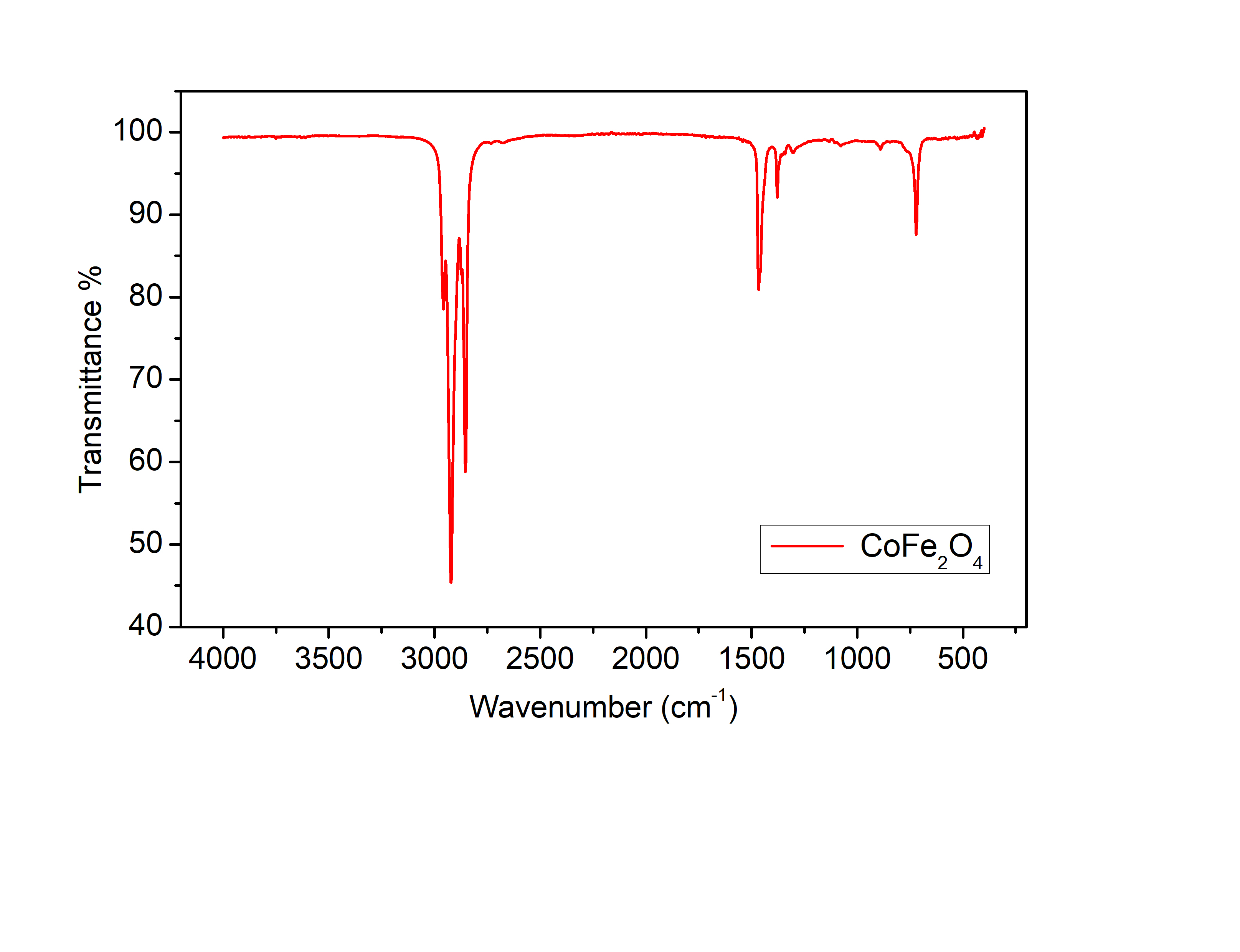 CSV FILE:tem.csv
en&2