
UKURASA WA MATOKEO
aliphatic hydrocarbon material consistent with polyethylene-like methylene-rich chains
Tazama ripoti hapo juu. Tumia maoni hapa chini ikiwa unahitaji mjadala wa ufuatiliaji.
Ripoti ya Uchambuzi wa FTIR
aliphatic hydrocarbon material consistent with polyethylene-like methylene-rich chains
Vigezo vya Sampuli na Kipimo
Ripoti Na.
20250522161800801480247
Tarehe
2025-05-22 23:04:28
Masafa ya Spektra (cm⁻¹)
[(650, 4000)]
Msingi
Marekebisho ya msingi ya AsLS
Uwiano wa maktaba
0%
Matokeo ya Utambulisho
0%Wigo unaendana zaidi na nyenzo rahisi ya hidrokaboni aliphatic inayotawaliwa na mitetemo ya C-H ya methylene, na wasifu kama wa polyethilini kama mwelekeo wa karibu wa maktaba. Hata hivyo, ubora wa mechi ya maktaba ni dhaifu sana na hakuna kumbukumbu moja kwa moja au ushahidi wa fasihi inayohusiana unaothibitisha kwa uhuru daraja maalum la polima au utambulisho kamili, kwa hivyo hitimisho linaloweza kuungwa mkono zaidi ni nyenzo pana zaidi ya hidrokaboni yenye methylene kama polyethilini badala ya mgawanyo thabiti.
Tafsiri ya kina
- Mechi bora ya maktaba: Polyethilini, msongamano wa juu #14511 | mechi 0.0%
- Wigo unaendana zaidi na nyenzo rahisi ya hidrokaboni aliphatic inayotawaliwa na mitetemo ya C-H ya methylene, na wasifu kama wa polyethilini kama mwelekeo wa karibu wa maktaba. Hata hivyo, ubora wa mechi ya maktaba ni dhaifu sana na hakuna kumbukumbu moja kwa moja au ushahidi wa fasihi inayohusiana unaothibitisha kwa uhuru daraja maalum la polima au utambulisho kamili, kwa hivyo hitimisho linaloweza kuungwa mkono zaidi ni nyenzo pana zaidi ya hidrokaboni yenye methylene kama polyethilini badala ya mgawanyo thabiti.
- Msaada thabiti wa utendaji wa C-H aliphatic iliyojaa hutoka kwenye bendi za 2928/2919 na 2854 cm-1.
- Bendi ya 1458 cm-1 inasaidia vikundi vingi vya methylene katika mazingira ya hidrokaboni yenye mnyororo.
- Makubaliano ya maktaba yanaelekeza kuelekea n-h / methyl na inajumuisha wagombea kadhaa wa hidrokaboni yenye methylene nyingi, na maingizo ya familia ya polyethilini miongoni mwa viongozi.
- Bendi zilizozingatiwa karibu 2928/2919 na 2854 cm-1 ni sifa ya kunyoosha kwa C-H aliphatic kutoka kwa minyororo yenye methylene nyingi.
- Bendi karibu na 1458 cm-1 inaendana na kupinda kwa CH2 katika nyenzo za hidrokaboni zilizojaa.
- Mchoro wa maktaba ya Top-15 unatawaliwa na maingizo ya hidrokaboni yenye mnyororo mrefu, ikijumuisha polyethilini, LDPE, polyethilini yenye klorini, na misombo ya alkili/esta yenye mnyororo mrefu, ambayo kwa pamoja inasaidia muundo wa aliphatic yenye methylene nyingi.
- Maktaba iliyotajwa karibu zaidi ni Polyethilini, msongamano wa juu, lakini kufanana kote kunakoorodheshwa hakuna ubaguzi, kwa hivyo urejeshaji hautofautishi kwa uhakika HDPE kutoka kwa nyenzo nyingine za hidrokaboni zilizojaa zenye mnyororo mrefu.
- Muhtasari wa sasa wa wigo hauna bendi za sifa za ziada zinazohitajika kutenganisha kwa uhakika HDPE kutoka kwa daraja nyingine za polyethilini au kutoka kwa hidrokaboni zingine zilizojaa zenye mnyororo mrefu.
- Wagombea kadhaa wa Top-15 wanajumuisha utendaji kama vile esta, kunukia, yenye halojeni, au miundo yenye nitrojeni, lakini orodha ya sasa ya kilele haitoi bendi za kuunga mkono kwa ajili ya mgawo huo finyu.
- Kwa sababu kufanana kwa maktaba kote ni 0.000, matokeo ya maktaba hayawezi kuhalalisha utambuzi thabiti wa nyenzo katika ngazi ya chombo.
- Vilele vinavyopatikana vinaunga mkono nyenzo za aliphatic zenye methylene nyingi lakini hazitambui kipekee Polyethilini, msongamano wa juu.
- Ukosefu wa wigo mpana unaacha maeneo muhimu ya ubaguzi yasiyojaribiwa, haswa eneo la alama za vidole na bendi zozote ambazo zinaweza kudhibitisha au kuwatenga matawi, uoksidishaji, maudhui ya esta, au uingizwaji wa halojeni.
- Bila mechi yenye nguvu au ushahidi huru wa kumbukumbu, hitimisho linapaswa kubaki katika mwelekeo wa hidrokaboni kama polyethilini.
Ulinganisho wa Maktaba
Wigo wa maktaba utaonekana hapa.
Matokeo ya Utafutaji wa Maktaba — Watahiniwa 15 Bora
| Cheo | Linganisha % | Kiwanja | SMILES | Nambari ya wigo | Kitendo |
|---|---|---|---|---|---|
| Inapakia wagombea wa maktaba... | |||||
Uchambuzi wa Kilele
★ = Kazi inayoungwa mkono na fasihiKiambatisho — Spectrum Ghafi

Majadiliano
Maoni na ushahidi wa ufuatiliaji
Tumia eneo hili kuendelea na ufafanuzi, kuuliza maswali, au kuongeza ushahidi wa ziada wa uthibitishaji.
The above shows the FTIR analysis results of a jpg file uploaded by a user (IP: 47.XX ). The original image is displayed below.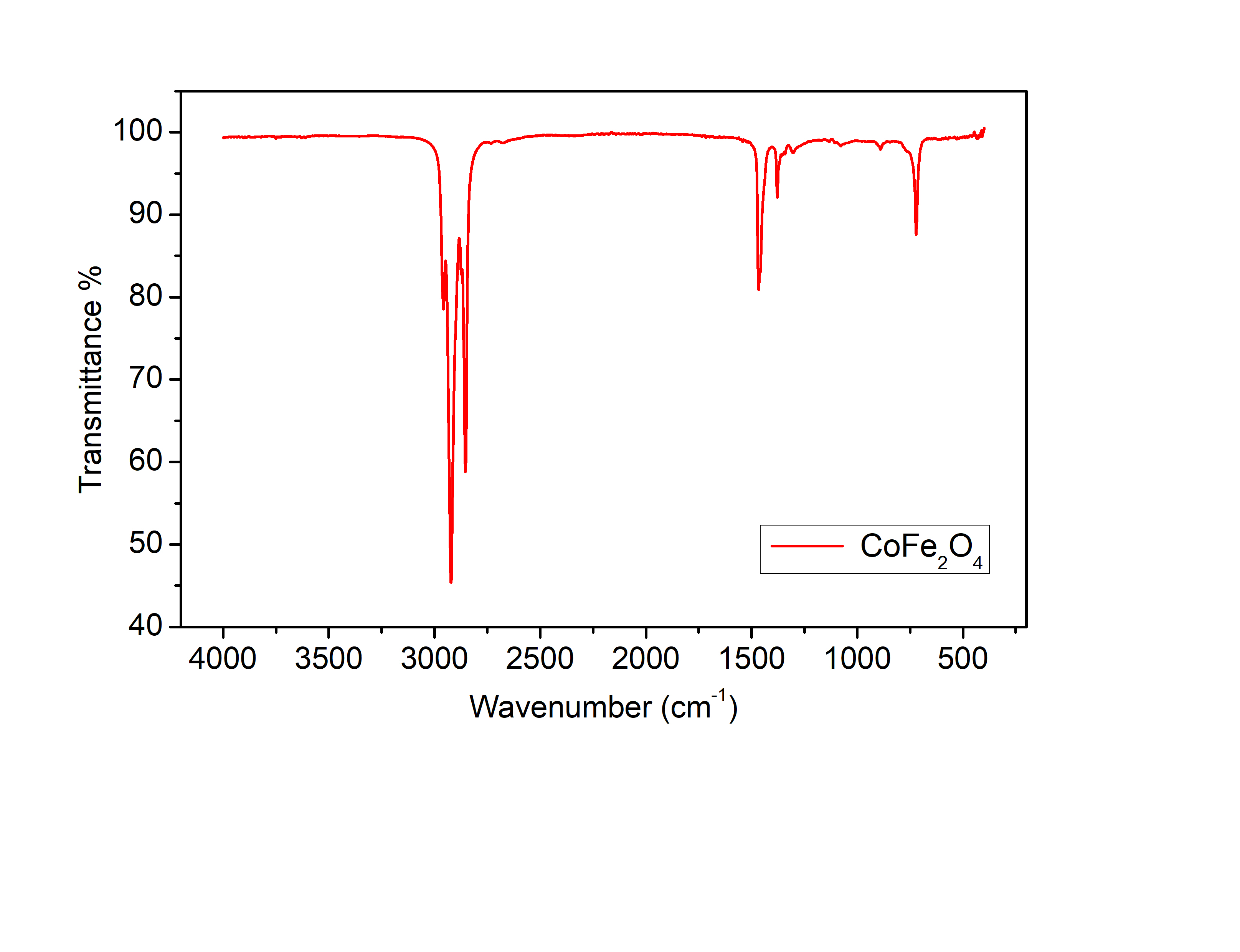 CSV FILE:tem.csv
en&2