
PUBLIC SPECTRUM SEARCH
Polyethylene,high density
Free public result — the submitted spectrum with its top library candidates, not an AI identification.
SPECTRUM & LIBRARY MATCHES
Submitted spectrum and top library candidates

Top 15 library matches
| # | Reference | CAS | Similarity |
|---|---|---|---|
| 1 | Polyethylene,high density | none | - |
| 2 | ADAMANTANE | 281-23-2 | - |
| 3 | 9-PHENYLANTHRACENE | 602-55-1 | - |
| 4 | Polyethylene | none | - |
| 5 | Methyl tricosanoate | 2433-97-8 | - |
| 6 | ethyl triacontanoate | 7505-12-6 | - |
| 7 | 1,3-di(octadecanoyloxy)propan-2-yl octadecanoate | 555-43-1 | - |
| 8 | ethyl triacontanoate | 7505-12-6 | - |
| 9 | ethyl triacontanoate | 7505-12-6 | - |
| 10 | (2-hydroxy-3-octadecanoyloxypropyl) octadecanoate | 504-40-5 | - |
| 11 | dodecyl-trimethylazanium bromide | 1119-94-4 | - |
| 12 | 2,3-dihydroxypropyl octadecanoate | 31566-31-1 | - |
| 13 | 1-Phenyloctadecan-1-one | 6786-36-3 | - |
| 14 | Poly(ethylene), chlorinated | 63231-66-3 | - |
| 15 | LDPE | none | - |
Discussion
Comments and follow-up evidence
Use this area to continue the interpretation, ask questions, or add extra verification evidence.
The above shows the FTIR analysis results of a jpg file uploaded by a user (IP: 47.XX ). The original image is displayed below.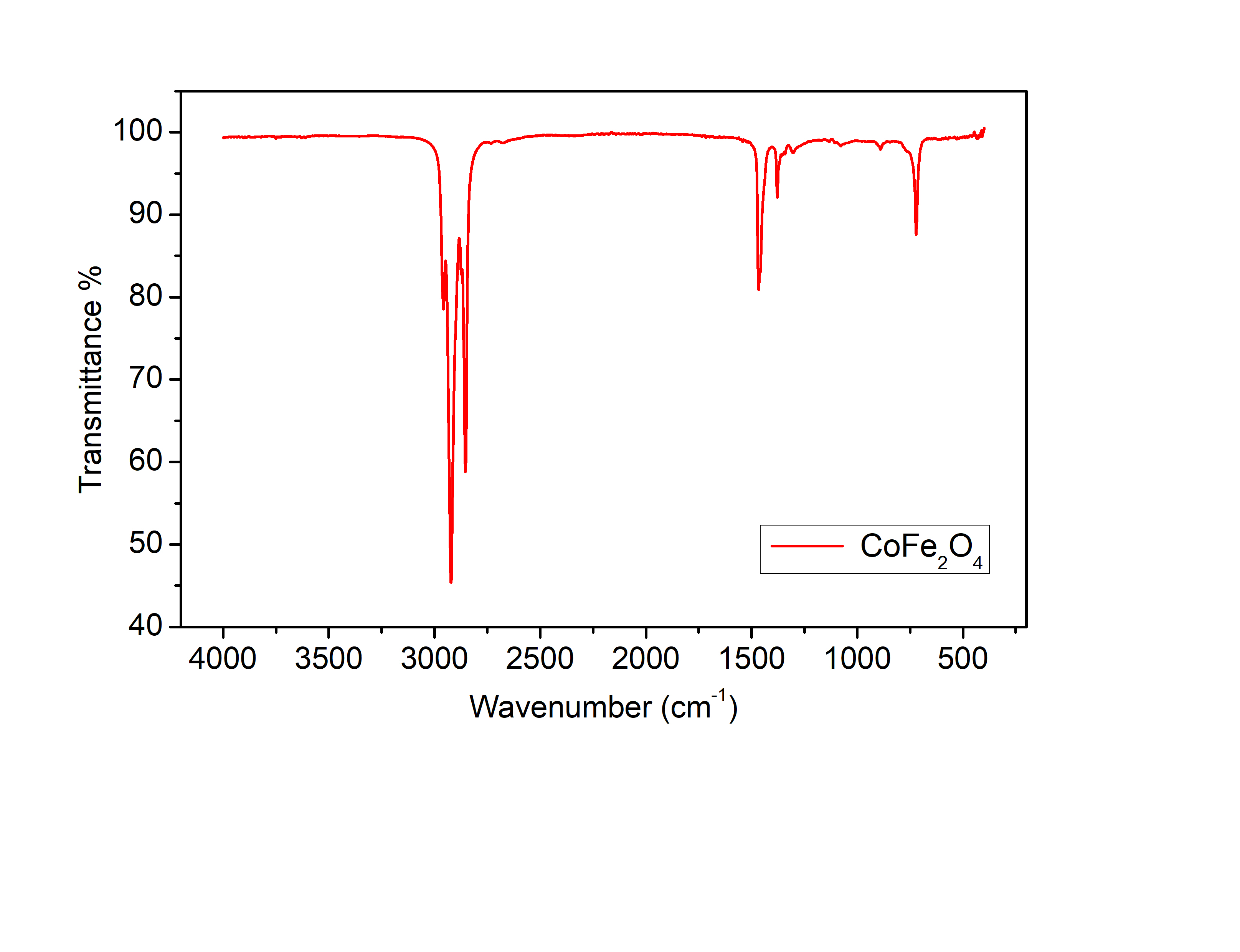 CSV FILE:tem.csv
en&2