
aliphatic carbonyl-containing organic material, possibly a cyclic ketone
Se rapporten ovenfor. Bruk kommentarfeltet under hvis du trenger oppfølging.
aliphatic carbonyl-containing organic material, possibly a cyclic ketone
Prøve- og måleparametere
Identifikasjonsresultat
0%De vanlige FTIR-bevisene støtter et alifatisk karbonylholdig organisk materiale, med den sterkeste snevre slutningen å være en ketonlignende forbindelse og muligens en syklisk keton. Bibliotekets topptreff er cykloheptanon, men treffstyrken er i praksis fraværende, og ingen direkte referanse eller relatert litteraturbevis bekrefter uavhengig den spesifikke tildelingen. Det observerte 1699 cm-1 båndet er konsistent med en ketontype C=O-absorpsjon, mens 2934 og 2863 cm-1 støtter alifatisk C-H-strekk. Bånd ved 1452, 1338, 1244, 1158, 936, 851 cm-1 er kompatible med fingeravtrykksområdets skjelett- og C-H-deformasjonsmoduser, men de identifiserer ikke unikt cykloheptanon
Detaljert tolkning
- Beste bibliotektreff: Cycloheptanone #7607 | match 0.0%
- De vanlige FTIR-bevisene støtter et alifatisk karbonylholdig organisk materiale, med den sterkeste snevre slutningen å være en ketonlignende forbindelse og muligens en syklisk keton. Bibliotekets topptreff er cykloheptanon, men treffstyrken er i praksis fraværende, og ingen direkte referanse eller relatert litteraturbevis bekrefter uavhengig den spesifikke tildelingen. Det observerte 1699 cm-1 båndet er konsistent med en ketontype C=O-absorpsjon, mens 2934 og 2863 cm-1 støtter alifatisk C-H-strekk. Bånd ved 1452, 1338, 1244, 1158, 936, 851 cm-1 er kompatible med fingeravtrykksområdets skjelett- og C-H-deformasjonsmoduser, men de identifiserer ikke unikt cykloheptanon.
- 1699 cm-1 støtter tilstedeværelsen av en karbonylabsorpsjon kompatibel med en ketontypefunksjonalitet.
- 1452 cm-1 er konsistent med CH2/CH3-deformasjon i en alifatisk ramme.
- De ledende bibliotekskandidatene er dominert av karbonylholdige ringforbindelser, noe som er bredt konsistent med det observerte karbonylbåndet.
- Et sterkt bånd ved 1699 cm-1 er hovedidentifikasjonsegenskapen og er konsistent med en karbonylgruppe i et ketonlignende miljø.
- Bånd ved 2934 og 2863 cm-1 støtter alifatisk sp3 C-H-strekk snarere enn et aromatdominert materiale.
- Fingeravtrykksområdets topper ved 1452, 1338, 1244, 1158, 936 og 851 cm-1 er konsistente med en alifatisk oksygenholdig organisk forbindelse, men er ikke tilstrekkelig distinkte for en sikker enkeltforbindelsesbestemmelse.
- Topp-15 biblioteksmønsteret inneholder flere karbonylbærende ringsystemer og diketon/imidlignende strukturer, så det vanlige gjenfinningstemaet er karbonylholdige sykliske eller alifatiske organiske forbindelser snarere enn en unikt støttet enkeltstoff.
- Fordi toppbibliotekslikhetene alle er 0.000 og ekstern referansebevis er utilgjengelig, bør resultatet behandles som en kjemisk bred retning snarere enn en bekreftet identitet.
- Den ledende kandidaten cykloheptanon er ikke sikkert etablert fordi den rapporterte bibliotekslikheten er 0.000.
- Den bredere topp-15 kandidatlisten er kjemisk blandet og inkluderer strukturer som krever nitrogen- eller flerekarbonylholdige motiver som ikke er direkte støttet av den observerte topplisten.
- Det observerte spekteret viser ikke nok unikt skillende bånd til å skille en enkel syklisk keton fra andre alifatiske karbonylholdige organiske forbindelser.
- De nåværende bevisene støtter et karbonylholdig alifatisk organisk materiale, men ikke en sikker enkeltforbindelsesidentifikasjon.
- En syklisk keton forblir plausibel, men andre ikke-aromatiske ketoner eller relaterte karbonylforbindelser kunne også passe det begrensede toppsettet.
- Fingeravtrykksområdets mønster er for sparsomt her til å verifisere ringstørrelse eller utelukke alternative ketonholdige strukturer.
Biblioteksammenligning
Biblioteksøkeresultater — Topp 15 kandidater
| Rangering | Treff % | Sammensatt | SMILES | Spektrumnr. | Handling |
|---|---|---|---|---|---|
| Laster bibliotekkandidater... | |||||
Toppanalyse
★ = Litteraturstøttet tilordningVedlegg — Råspektrum

Kommentarer og oppfølgingsbevis
Bruk dette området for å fortsette tolkningen, stille spørsmål eller legge til ekstra verifiseringsbevis.
The above shows the FTIR analysis results of a jpeg file uploaded by a user (IP: 2600:: ). The original image is displayed below.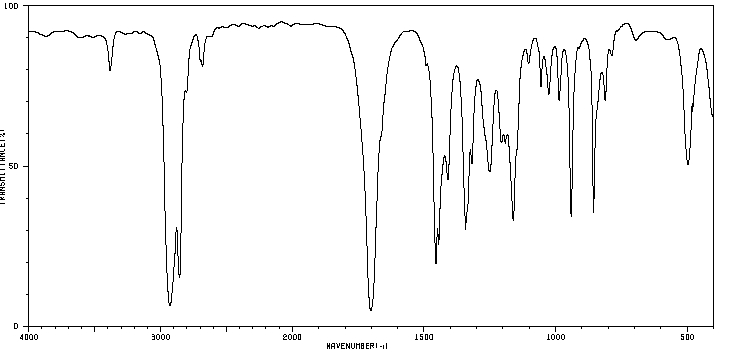 csv file:tem.csv
en&2