
aliphatic carbonyl-containing organic material, possibly a cyclic ketone
Yuxarıdakı hesabata baxın. Əlavə müzakirə ehtiyacınız varsa aşağıdakı şərhlərdən istifadə edin.
aliphatic carbonyl-containing organic material, possibly a cyclic ketone
Nümunə və Ölçmə Parametrləri
İdentifikasiya nəticəsi
0%Adi FTIR sübutları alifatik karbonil tərkibli üzvi materialı dəstəkləyir, ən güclü dar nəticə isə ketonabənzər birləşmə və ehtimal ki, tsiklik ketondur. Kitabxanada ən yaxşı nəticə Cycloheptanone-dir, lakin uyğunluq gücü effektiv olaraq yoxdur və heç bir birbaşa istinad və ya əlaqəli ədəbiyyat sübutu bu xüsusi təyinatı müstəqil şəkildə təsdiqləmir. Müşahidə olunan 1699 sm-1 zolağı keton tipli C=O udulması ilə uyğundur, 2934 və 2863 sm-1 isə alifatik C-H uzanmasını dəstəkləyir. 1452, 1338, 1244, 1158, 936, 851 sm-1-dəki zolaqlar barmaq izi bölgəsi skelet və C-H deformasiya rejimləri ilə uyğundur, lakin Cycloheptanone-u unikal şəkildə müəyyən etmir
Ətraflı şərh
- Ən yaxşı kitabxana uyğunluğu: Cycloheptanone #7607 | uyğunluq 0.0%
- Adi FTIR sübutları alifatik karbonil tərkibli üzvi materialı dəstəkləyir, ən güclü dar nəticə isə ketonabənzər birləşmə və ehtimal ki, tsiklik ketondur. Kitabxanada ən yaxşı nəticə Cycloheptanone-dir, lakin uyğunluq gücü effektiv olaraq yoxdur və heç bir birbaşa istinad və ya əlaqəli ədəbiyyat sübutu bu xüsusi təyinatı müstəqil şəkildə təsdiqləmir. Müşahidə olunan 1699 sm-1 zolağı keton tipli C=O udulması ilə uyğundur, 2934 və 2863 sm-1 isə alifatik C-H uzanmasını dəstəkləyir. 1452, 1338, 1244, 1158, 936, 851 sm-1-dəki zolaqlar barmaq izi bölgəsi skelet və C-H deformasiya rejimləri ilə uyğundur, lakin Cycloheptanone-u unikal şəkildə müəyyən etmir.
- 1699 sm-1 karbonil udulmasının mövcudluğunu dəstəkləyir, keton tipli funksionallıqla uyğun.
- 1452 sm-1 alifatik çərçivədə CH2/CH3 deformasiyası ilə uyğundur.
- Əsas kitabxana namizədləri karbonil tərkibli halqalı birləşmələr üstünlük təşkil edir, bu da müşahidə olunan karbonil zolağı ilə geniş şəkildə uyğundur.
- 1699 sm-1-də güclü zolaq əsas identifikasiya xüsusiyyətidir və ketonabənzər mühitdə karbonil qrupu ilə uyğundur.
- 2934 və 2863 sm-1-də zolaqlar aromatik üstünlük təşkil edən materialdan daha çox alifatik sp3 C-H uzanmasını dəstəkləyir.
- Barmaq izi bölgəsindəki pikllər 1452, 1338, 1244, 1158, 936 və 851 sm-1 alifatik oksigen tərkibli üzvi birləşmə ilə uyğundur, lakin qəti bir birləşmə təyini üçün kifayət qədər fərqli deyil.
- Top-15 kitabxana nümunəsi bir neçə karbonil daşıyan halqa sistemləri və diketone/imidabənzər strukturları ehtiva edir, buna görə də ümumi axtarış mövzusu unikal dəstəklənən tək maddədən daha çox karbonil tərkibli tsiklik və ya alifatik üzvi maddələrdir.
- Ən yaxşı kitabxana oxşarlıqlarının hamısı 0.000 olduğundan və xarici istinad sübutları mövcud olmadığından, nəticə təsdiqlənmiş kimlikdən daha çox kimyəvi cəhətdən geniş bir istiqamət kimi qəbul edilməlidir.
- Əsas namizəd Cycloheptanone etibarlı şəkildə təsdiqlənməyib, çünki bildirilən kitabxana oxşarlığı 0.000-dir.
- Daha geniş Top-15 namizəd siyahısı kimyəvi cəhətdən qarışıqdır və müşahidə olunan pik siyahısı ilə birbaşa dəstəklənməyən azot və ya çoxsaylı karbonil tərkibli motivlər tələb edən strukturları ehtiva edir.
- Müşahidə olunan spektr sadə tsiklik ketonu digər alifatik karbonil tərkibli üzvi maddələrdən ayırmaq üçün kifayət qədər unikal fərqləndirici zolaqlar göstərmir.
- Mövcud sübutlar karbonil tərkibli alifatik üzvi materialı dəstəkləyir, lakin qəti bir birləşmə identifikasiyasını deyil.
- Tsiklik keton mümkün qalır, lakin digər aromatik olmayan ketonlar və ya əlaqəli karbonil birləşmələri də məhdud pik dəstinə uyğun ola bilər.
- Barmaq izi bölgəsi nümunəsi burada halqa ölçüsünü yoxlamaq və ya alternativ keton tərkibli strukturları istisna etmək üçün çox seyrəkdir.
Kitabxana müqayisəsi
Kitabxana Axtarış Nəticələri — İlk 15 Namizəd
| Sıralama | Uyğunluq % | Mürəkkəb | SMILES | Spektr nömrəsi | Əməliyyat |
|---|---|---|---|---|---|
| Kitabxana namizədləri yüklənir... | |||||
Pik Analizi
★ = Ədəbiyyatla dəstəklənən təyinatƏlavə — Xam spektr

Şərhlər və əlavə sübutlar
Bu sahədən təfsiri davam etdirmək, sual vermək və ya əlavə yoxlama sübutları əlavə etmək üçün istifadə edin.
The above shows the FTIR analysis results of a jpeg file uploaded by a user (IP: 2600:: ). The original image is displayed below.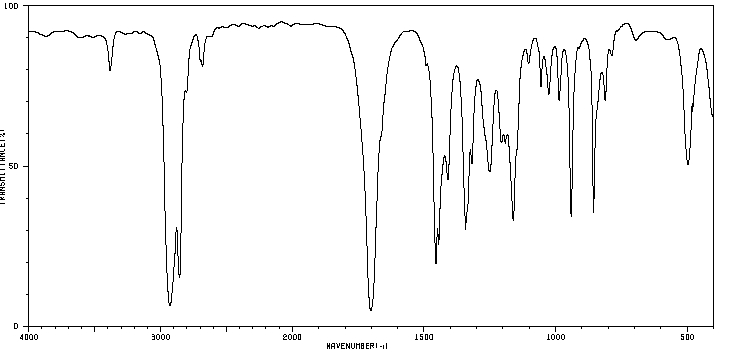 csv file:tem.csv
en&2