
oxygen-containing material with possible methyl and halogen-related features
اوپر والی رپورٹ دیکھیں۔ اگر آپ کو فالو اپ ڈسکشن کی ضرورت ہو تو نیچے والے تبصرے استعمال کریں۔
oxygen-containing material with possible methyl and halogen-related features
نمونہ اور پیمائش کے پیرامیٹرز
شناخت کا نتیجہ
0%FTIR ثبوت کسی مخصوص مرکب کی مضبوط شناخت کی حمایت نہیں کرتا۔ لائبریری مماثلت یہاں مؤثر طور پر غیر امتیازی ہے، تمام معروف امیدوار صفر مماثلت پر ہیں، لہٰذا اعلیٰ لائبریری نام کو قابل اعتماد کیمیائی تفویض نہیں سمجھا جا سکتا۔ مشاہدہ شدہ سپیکٹرم کو قدامت پسندی سے ایک آکسیجن پر مشتمل مواد کے طور پر بیان کیا جا سکتا ہے جو 1726 cm-1 کے قریب ایک مضبوط کاربونیل بینڈ، 3616-3843 cm-1 کے ارد گرد اعلی ویونمبر O-H خصوصیات، اور کمزور کم مخصوص اشارے ظاہر کرتا ہے جو میتھائل اور ممکنہ طور پر ہیلوجن سے متعلق شراکت کے مطابق ہو سکتے ہیں۔ یہ بہت محدود اور اندرونی طور پر متضاد ہے کہ نمونہ کو آکسیڈین یا کوئی اور مخصوص لائبریری اندراج قرار دیا جا سکے۔
تفصیلی تشریح
- سب سے اوپر لائبریری مماثلت: آکسیڈین #16409 | match 0.0%
- FTIR ثبوت کسی مخصوص مرکب کی مضبوط شناخت کی حمایت نہیں کرتا۔ لائبریری مماثلت یہاں مؤثر طور پر غیر امتیازی ہے، تمام معروف امیدوار صفر مماثلت پر ہیں، لہٰذا اعلیٰ لائبریری نام کو قابل اعتماد کیمیائی تفویض نہیں سمجھا جا سکتا۔ مشاہدہ شدہ سپیکٹرم کو قدامت پسندی سے ایک آکسیجن پر مشتمل مواد کے طور پر بیان کیا جا سکتا ہے جو 1726 cm-1 کے قریب ایک مضبوط کاربونیل بینڈ، 3616-3843 cm-1 کے ارد گرد اعلی ویونمبر O-H خصوصیات، اور کمزور کم مخصوص اشارے ظاہر کرتا ہے جو میتھائل اور ممکنہ طور پر ہیلوجن سے متعلق شراکت کے مطابق ہو سکتے ہیں۔ یہ بہت محدود اور اندرونی طور پر متضاد ہے کہ نمونہ کو آکسیڈین یا کوئی اور مخصوص لائبریری اندراج قرار دیا جا سکے۔
- 1726 cm-1 اور 3616-3843 cm-1 پر مشاہدہ شدہ چوٹیاں آکسیجن والی فعالیت کی تائید کرتی ہیں۔
- طیفی لائبریری کے امیدوار کی خصوصیات میں بار بار آکسیجن، ہائیڈروکسیل، C-O سنگل بانڈ، اور میتھائل سے متعلق اشارے شامل ہیں۔
- ٹاپ-15 امیدوار پیٹرن میں کچھ ہیلوجن سے متعلق تجاویز بھی شامل ہیں، خاص طور پر برومین/کلورین، جو ہیلوجن سے متعلق کردار کو ایک مخصوص تفویض کے بجائے ایک عارضی وسیع سمت کے طور پر رکھنے کا جواز فراہم کرتی ہیں۔
- 1726 cm-1 پر ایک مضبوط بینڈ کاربونیل پر مشتمل جزو کی موجودگی کی تائید کرتا ہے۔
- 3616, 3736, اور 3843 cm-1 پر بینڈز اعلی ویونمبر O-H اسٹریچنگ کی نشاندہی کرتے ہیں جو آزاد یا کمزور ہائیڈروجن بانڈڈ ہائیڈروکسیل پر مشتمل مواد، جذب شدہ نمی، یا سطحی ہائیڈروکسیلز سے مطابقت رکھتے ہیں۔
- 1560 cm-1 پر بینڈ اپنے طور پر کسی مخصوص ساخت کی وضاحت کرنے کے لیے کافی نہیں ہے اور یہ کئی کیمیائی ماحول سے پیدا ہو سکتا ہے۔
- 724 cm-1 پر کم ویونمبر بینڈ متعدد سیٹنگز میں ہو سکتا ہے اور یہاں کسی خاص ہیلوجنیٹڈ مرکب کو ثابت کرنے کے لیے کافی مخصوص نہیں ہے۔
- طیفی لائبریری کا ٹاپ-15 پیٹرن میتھائل اور برومین سے متعلق اشاروں کی طرف ڈھیلے طور پر اشارہ کرتا ہے، لیکن یہ پیٹرن کسی معنی خیز طیفی مماثلت سکور سے لنگر انداز نہیں ہے۔
- معروف لائبریری مماثلت آکسیڈین ہے، لیکن نمونے میں 1726 cm-1 پر کاربونیل بینڈ ہے، جو خالص پانی کے نمونے کی شناخت سے مطابقت نہیں رکھتا۔
- تمام رپورٹ کردہ اعلیٰ لائبریری مماثلتیں 0.0 ہیں، لہذا بازیافت کسی بھی نامی مرکب کے لیے مثبت مماثلت کا ثبوت فراہم نہیں کرتی۔
- ہائیڈروجن سلفائیڈ اور آکسیڈین کا اعلیٰ امیدواروں میں ایک ساتھ ظاہر ہونا اس بات کی نشاندہی کرتا ہے کہ تلاش کا نتیجہ کیمیائی طور پر کسی ہستی کی سطح کے نتیجے کے لیے کافی مربوط نہیں ہے۔
- کوئی براہ راست ادب مماثلت یا حوالہ تشریح کسی تنگ تر تفویض جیسے مخصوص برومینیٹڈ، کلورینیٹڈ، یا میتھیلیٹڈ مرکب کی حمایت نہیں کرتی۔
- یہ واضح نہیں ہے کہ آیا O-H خصوصیات بنیادی نمونے، بقایا پانی، یا ہائیڈروکسیلیٹڈ سطح/نجاست سے تعلق رکھتی ہیں۔
- 1560 cm-1 بینڈ خوشبو دار، کاربوکسیلیٹ، امائڈ، یا دیگر امکانات میں فرق کرنے کے لیے کافی حد تک حل نہیں کیا گیا ہے۔
- 724 cm-1 کی خصوصیت اضافی تصدیقی بینڈز کے بغیر C-Br، C-Cl، لمبی زنجیر راکنگ، یا رنگ متبادل پیٹرن کی تصدیق کرنے کے لیے بہت غیر مخصوص ہے۔
- چونکہ سپیکٹرم کم ہے اور لائبریری ثبوت کمزور ہے، سب سے محفوظ نتیجہ ممکنہ میتھائل اور ہیلوجن سے متعلق خصوصیات کے ساتھ ایک وسیع آکسیجن پر مشتمل مواد کی سمت ہے۔
لائبریری کا موازنہ
لائبریری تلاش کے نتائج — ٹاپ 15 امیدوار
| درجہ | مطابق % | مرکب | SMILES | سپیکٹرم نمبر | کارروائی |
|---|---|---|---|---|---|
| لائبریری امیدوار لوڈ ہو رہے ہیں... | |||||
چوٹی کا تجزیہ
★ = لٹریچر کی حمایت یافتہ تفویضضمیمہ — خام اسپیکٹرم

تبصرے اور فالو اپ ثبوت
اس علاقے کو تشریح جاری رکھنے، سوالات پوچھنے یا اضافی تصدیقی ثبوت شامل کرنے کے لیے استعمال کریں۔
This is the FTIR analysis result of a pdf file uploaded by a user with IP 111.XX.XXX.91 The original image is shown below.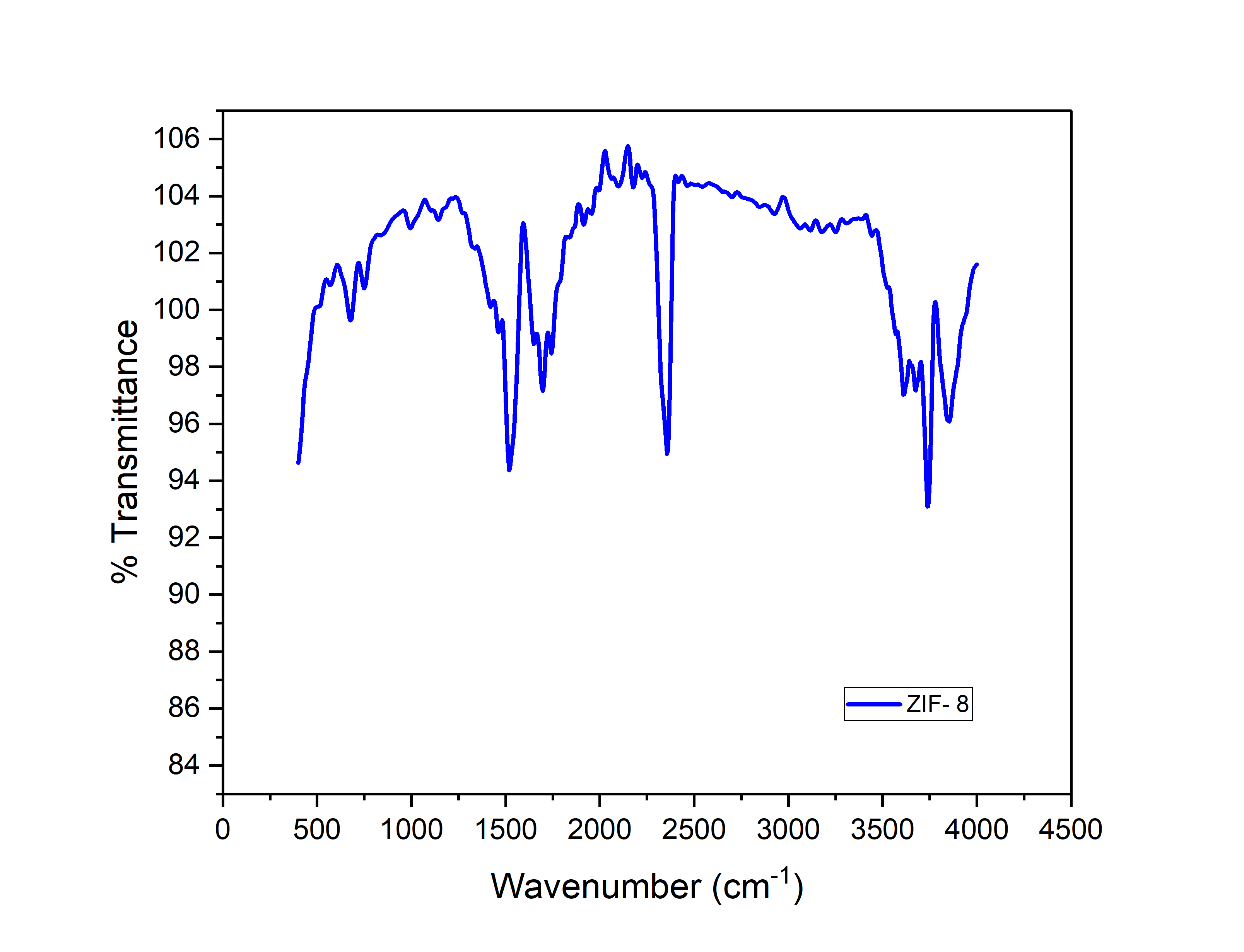
en&2