
oxygen-containing material with possible methyl and halogen-related features
Vaadake ülalpool olevat aruannet. Kasutage allolevaid kommentaare, kui vajate järelarutelu.
oxygen-containing material with possible methyl and halogen-related features
Proovi ja mõõtmise parameetrid
Tuvastamise tulemus
0%FTIR tõendusmaterjal ei toeta konkreetse ühendi kindlat tuvastamist. Raamatukogu vaste on siin praktiliselt mitteeristav, kõigi juhtivte kandidaatide sarnasus on null, mistõttu ei saa raamatukogu tippnime käsitleda usaldusväärse keemilise määramisena. Täheldatud spektrit on parem kirjeldada konservatiivselt kui hapnikku sisaldavat materjali, mis näitab tugevat karbonüüli riba lähedal 1726 cm-1, kõrge lainearvuga O-H tunnuseid umbes 3616-3843 cm-1 juures ning nõrku madala spetsiifilisusega vihjeid, mis võivad olla kooskõlas metüüli ja võimalike halogeenidega seotud panustega. See on liiga piiratud ja sisemiselt vastuoluline, et õigustada järeldust, et proov on oksidaan või mõni muu konkreetne raamatukogu kirje.
Üksikasjalik tõlgendus
- Parim raamatukogu vaste: oxidane #16409 | match 0.0%
- FTIR tõendusmaterjal ei toeta konkreetse ühendi kindlat tuvastamist. Raamatukogu vaste on siin praktiliselt mitteeristav, kõigi juhtivte kandidaatide sarnasus on null, mistõttu ei saa raamatukogu tippnime käsitleda usaldusväärse keemilise määramisena. Täheldatud spektrit on parem kirjeldada konservatiivselt kui hapnikku sisaldavat materjali, mis näitab tugevat karbonüüli riba lähedal 1726 cm-1, kõrge lainearvuga O-H tunnuseid umbes 3616-3843 cm-1 juures ning nõrku madala spetsiifilisusega vihjeid, mis võivad olla kooskõlas metüüli ja võimalike halogeenidega seotud panustega. See on liiga piiratud ja sisemiselt vastuoluline, et õigustada järeldust, et proov on oksidaan või mõni muu konkreetne raamatukogu kirje.
- Täheldatud piigid 1726 cm-1 ja 3616-3843 cm-1 juures toetavad hapnikku sisaldavat funktsionaalsust.
- Raamatukogu kandidaatide omadused hõlmavad korduvalt hapnikku, hüdroksüüli, C-O üksiksidet ja metüülidega seotud vihjeid.
- Top-15 kandidaatide muster sisaldab ka mõningaid halogeenidega seotud soovitusi, eriti broomi/kloori, mis õigustab halogeenidega seotud iseloomu hoidmist esialgse laia suunana, mitte konkreetse määramisena.
- Tugev riba 1726 cm-1 juures toetab karbonüüli sisaldava komponendi olemasolu.
- Ribad 3616, 3736 ja 3843 cm-1 juures viitavad kõrge lainearvuga O-H venitusele, mis on kooskõlas vaba või nõrgalt vesiniksidemega hüdroksüüli sisaldava materjali, adsorbeeritud niiskuse või pinnahüdroksüülidega.
- Riba 1560 cm-1 juures ei ole üksi piisav konkreetse struktuuri määratlemiseks ja võib tuleneda mitmest keemilisest keskkonnast.
- Madala lainearvuga riba 724 cm-1 juures võib esineda mitmes olukorras ega ole piisavalt spetsiifiline konkreetse halogeenitud ühendi tõestamiseks.
- Raamatukogu Top-15 muster osutab lahtiselt metüüli ja broomiga seotud vihjetele, kuid seda mustrit ei kinnita sisukas spektraalse sarnasuse skoor.
- Peamine raamatukogu vaste on oksidaan, kuid proov sisaldab karbonüüli riba 1726 cm-1 juures, mis ei ole kooskõlas puhta veega kui proovi identiteediga.
- Kõik teatatud raamatukogu tipp-sarnasused on 0,0, seega ei anna otsing positiivset vaste tõendit ühegi nimega ühendi kohta.
- Vesiniksulfiidi ja oksidaani koos esinemine tippkandidaatide hulgas näitab, et otsingutulemus ei ole piisavalt keemiliselt sidus üksuse tasandi järelduse tegemiseks.
- Puudub otsene kirjanduse vaste või referentstõlgendus, mis toetaks kitsamat määramist, nagu konkreetne broomitud, klooritud või metüülitud ühend.
- Endiselt on ebaselge, kas O-H tunnused kuuluvad põhiproovile, jääkveele või hüdroksüülitud pinnale/impuriteedile.
- 1560 cm-1 riba on ebapiisavalt lahutusvõimeline, et eristada aromaatset, karboksülaati, amiidi või muid võimalusi.
- 724 cm-1 tunnus on liiga mittespetsiifiline, et kinnitada C-Br, C-Cl, pika ahela õõtsumist või rõnga asendusmustreid ilma täiendavate kinnitavate ribadeta.
- Kuna spekter on hõre ja raamatukogu tõendid on nõrgad, on kõige ohutum järeldus lai hapnikku sisaldava materjali suund koos võimalike metüüli ja halogeenidega seotud omadustega.
Raamatukogu võrdlus
Raamatukogu otsingutulemused — 15 parimat kandidaati
| Koht | Vaste % | Ühend | SMILES | Spektri nr | Tegevus |
|---|---|---|---|---|---|
| Laaditakse raamatukogu kandidaate... | |||||
Tippude analüüs
★ = Kirjandusega toetatud määramineLisa — Toorspekter

Kommentaarid ja järeltõendid
Kasutage seda ala tõlgenduse jätkamiseks, küsimuste esitamiseks või täiendavate kontrolltõendite lisamiseks.
This is the FTIR analysis result of a pdf file uploaded by a user with IP 111.XX.XXX.91 The original image is shown below.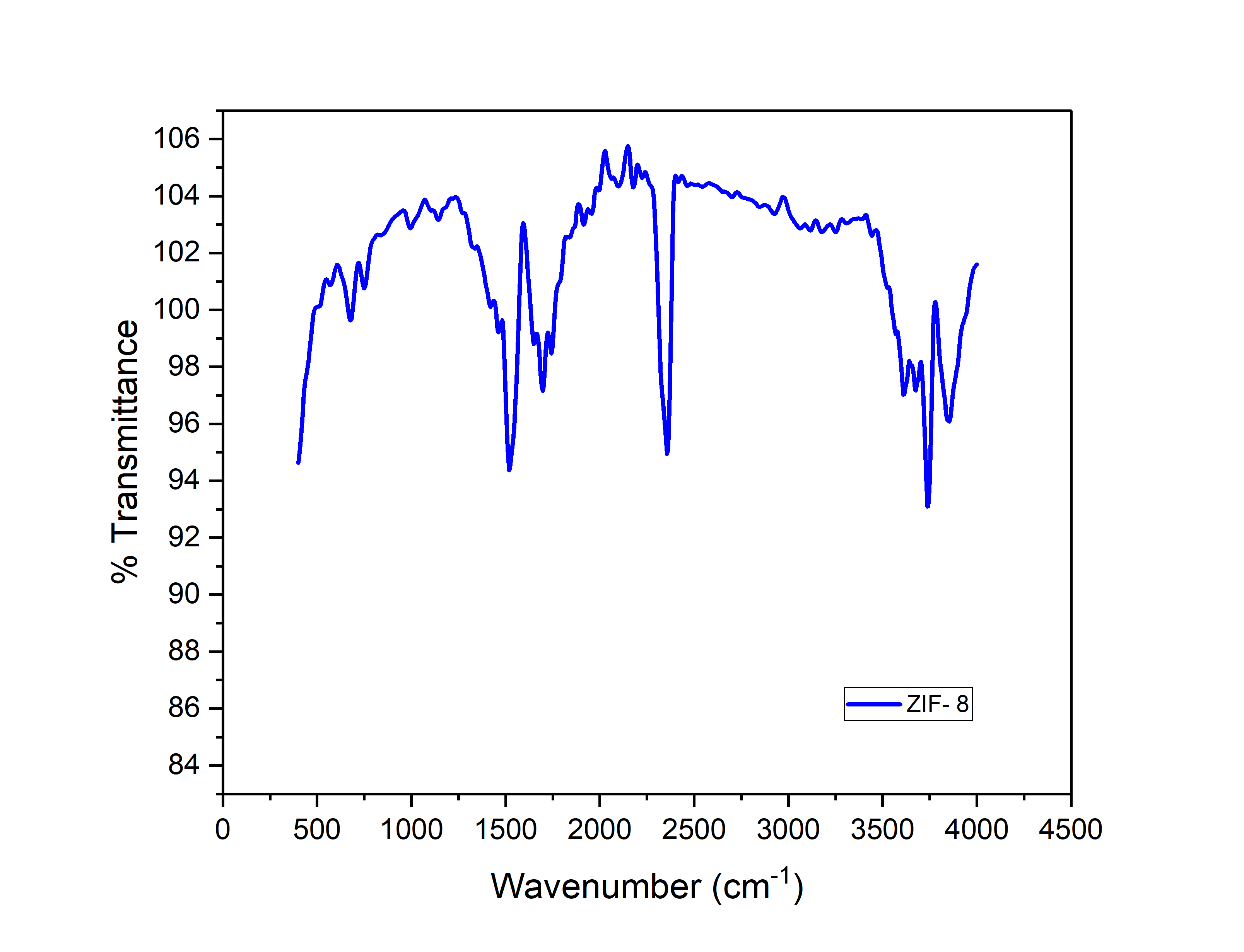
en&2