
small halogenated or oxygenated organic compound with methyl-containing hydrocarbon character
Shikoni raportin e mësipërm. Përdorni komentet më poshtë nëse keni nevojë për diskutim të mëtejshëm.
small halogenated or oxygenated organic compound with methyl-containing hydrocarbon character
Parametrat e kampionit dhe matjes
Rezultati i identifikimit
0%Kërkimi në bibliotekë nuk mbështet një identifikim të besueshëm në nivel përbërjeje për këtë mostër. Megjithëse hyrja më e afërt në bibliotekë është hex-5-yn-1-ol, të gjitha ngjashmëritë e raportuara janë 0.000 dhe modeli më i gjerë Top-15 është i paqëndrueshëm, kështu që ai emër duhet të trajtohet vetëm si regjistrimi më i afërt i bibliotekës dhe jo si një caktim i mbështetur. Drejtimi më i mbështetur kimikisht nga provat e kufizuara është një material organik i vogël që tregon karakter hidrokarburi që përmban metil, me funksionalitet të mundshëm të halogjenuar dhe/ose të oksigjenuar. Ky drejtim më i gjerë bazohet kryesisht në të dhënat e konsensusit të bibliotekës dhe jo në një përputhje të fortë spektrale
Interpretim i detajuar
- Përputhja kryesore e bibliotekës: hex-5-yn-1-ol #7084 | match 0.0%
- Kërkimi në bibliotekë nuk mbështet një identifikim të besueshëm në nivel përbërjeje për këtë mostër. Megjithëse hyrja më e afërt në bibliotekë është hex-5-yn-1-ol, të gjitha ngjashmëritë e raportuara janë 0.000 dhe modeli më i gjerë Top-15 është i paqëndrueshëm, kështu që ai emër duhet të trajtohet vetëm si regjistrimi më i afërt i bibliotekës dhe jo si një caktim i mbështetur. Drejtimi më i mbështetur kimikisht nga provat e kufizuara është një material organik i vogël që tregon karakter hidrokarburi që përmban metil, me funksionalitet të mundshëm të halogjenuar dhe/ose të oksigjenuar. Ky drejtim më i gjerë bazohet kryesisht në të dhënat e konsensusit të bibliotekës dhe jo në një përputhje të fortë spektrale.
- Konsensusi i bibliotekës vëren metil/klorin si të dhënën dominuese të përbashkët midis kandidatëve kryesorë.
- Mostra përfshin një sinjal të rajonit të shtrirjes C-H rreth 3000 cm-1, i cili është në përputhje me materialin organik që përmban metil.
- Brezi 1104 cm-1 është i pajtueshëm me një mjedis të lidhjes së vetme që përmban oksigjen, gjë që e mban drejtimin organik të oksigjenuar kimikisht të besueshëm.
- Seti i rezultateve përmban kandidatë organikë të molekulave të vogla në vend të një modeli polimer koherent, duke mbështetur një drejtim të gjerë organik me peshë të ulët molekulare.
- Lista e pikut të mostrës është e rrallë, me breza të raportuar në 1104, 2064, 2387, 3000 dhe 3765 cm-1.
- Brenda paketës së bibliotekës, të dhënat e konsensusit tregojnë për metil dhe klorin, dhe disa shënime të veçorive të kandidatëve përmendin gjithashtu oksigjen, karbonil dhe motive që përmbajnë unaza.
- Një brez afër 1104 cm-1 është i pajtueshëm me mjedise shtrirjeje të lidhjeve të vetme si C-O ose dridhjet e lidhura të rajonit të gjurmëve të gishtave, por nuk është specifik në vetvete.
- Një veçori pak informative afër 3000 cm-1 është në përputhje me shtrirjen C-H të hidrokarbureve.
- Goditja e propozuar e bibliotekës hex-5-yn-1-ol do të nënkuptonte karakter alkool dhe alkin, por besimi i marrjes është në thelb mungues dhe asnjë referencë e drejtpërdrejtë ose dëshmi e literaturës përkatëse nuk e mbështet në mënyrë të pavarur atë strukturë specifike.
- Të gjitha ngjashmëritë e listuara të bibliotekës janë 0.000, kështu që nuk ka përputhje spektrale pozitive me hex-5-yn-1-ol ose me ndonjë kandidat tjetër individual.
- Kandidatët e Top-15 janë kimikisht heterogjenë, duke përfshirë alkinolet, izotiocianatet, komponimet organotina, speciet që përmbajnë squfur dhe hyrjet e lidhura me karbonil metalik; kjo dobëson çdo caktim të ngushtë.
- Lista e pikut të vëzhguar nuk ofron një set të qartë dhe karakteristik për të caktuar me besim hex-5-yn-1-ol, një izotiocianat, ose një kandidat tjetër specifik të renditur në krye.
- Veçoria afër 2387 cm-1 shpesh mund të ndikohet nga dioksidi i karbonit atmosferik dhe nuk është mbështetje e besueshme për një grup funksional specifik të mostrës pa konfirmim.
- Mbetet e pasigurt nëse klori është vërtet i pranishëm, sepse ai përfundim vjen nga konsensusi i dobët i bibliotekës dhe jo nga konfirmimi i drejtpërdrejtë i brezit.
- Gjithashtu është e pasigurt nëse mostra është e oksigjenuar, pasi brezi 1104 cm-1 është i pajtueshëm me disa caktime të ndryshme të rajonit të gjurmëve të gishtave.
- Brezi afër 2064 cm-1 nuk është i mjaftueshëm në vetvete për të konfirmuar një funksionalitet alkin ose tjetër të lidhjeve të shumëfishta në mungesë të brezave mbështetës.
- Për shkak se nuk u gjet asnjë përputhje e drejtpërdrejtë me literaturën ose analog i literaturës përkatëse, përfundimi duhet të mbetet në një nivel të gjerë të drejtimit të materialit dhe jo në identifikimin e përbërjes.
Krahasimi i Bibliotekës
Rezultatet e Kërkimit në Bibliotekë — 15 Kandidatët Kryesorë
| Renditja | Përputhje % | Përbërës | SMILES | Nr. i spektrit | Veprimi |
|---|---|---|---|---|---|
| Duke ngarkuar kandidatët e bibliotekës... | |||||
Analiza e Pikut
★ = Caktimi i mbështetur nga literaturaShtojca — Spektri i Papërpunuar

Komente dhe prova vijuese
Përdorni këtë zonë për të vazhduar interpretimin, për të bërë pyetje ose për të shtuar prova shtesë verifikimi.
This is the FTIR analysis result of a jpg file uploaded by a user with IP 103.XXX.XX.123. The original image is shown below.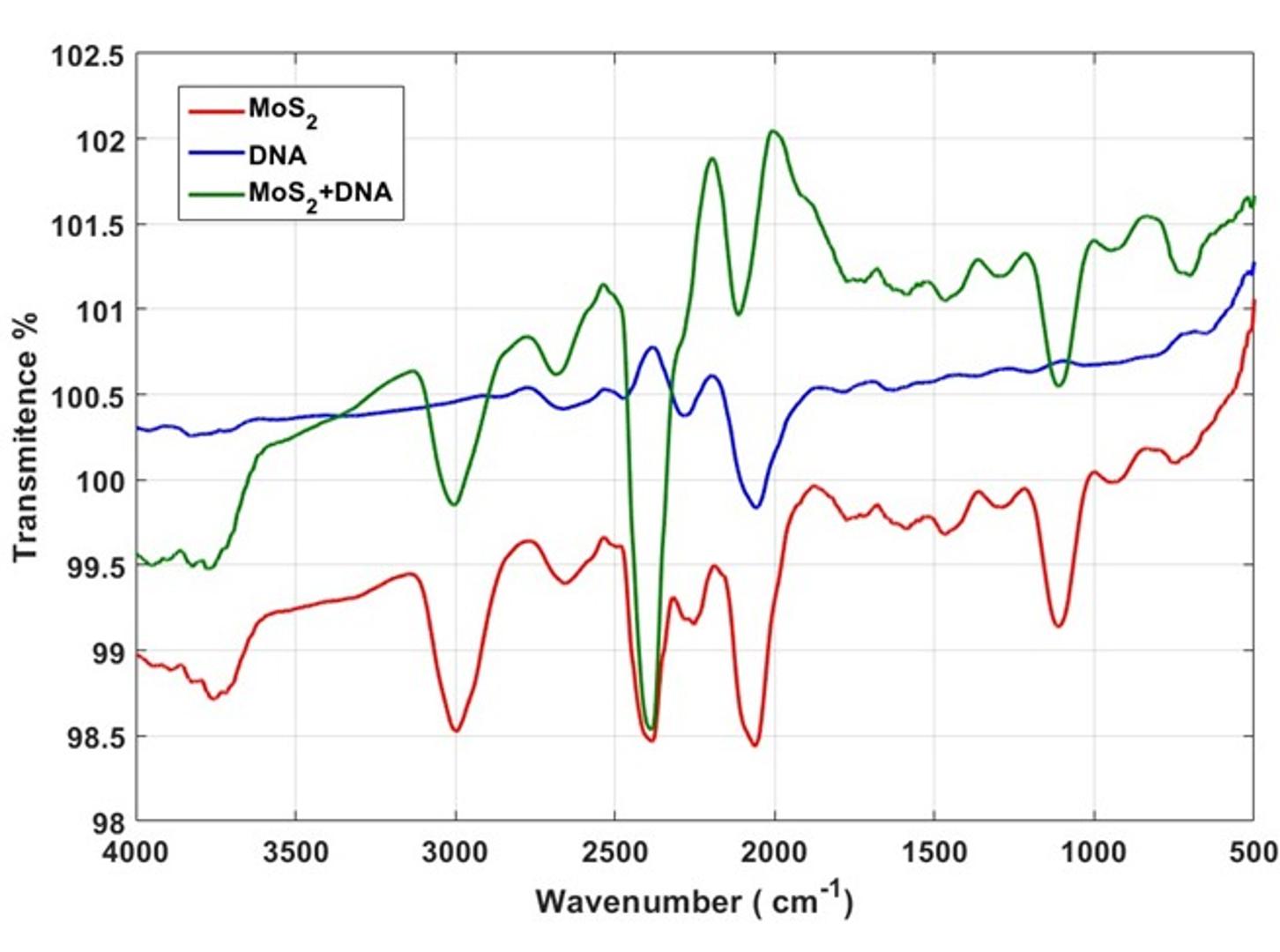
en&2