
long-chain aliphatic hydrocarbon material with carbonyl and hydroxyl/amine-type functionality
Tazama ripoti hapo juu. Tumia maoni hapa chini ikiwa unahitaji mjadala wa ufuatiliaji.
long-chain aliphatic hydrocarbon material with carbonyl and hydroxyl/amine-type functionality
Vigezo vya Sampuli na Kipimo
Matokeo ya Utambulisho
0%Kichwa cha juu cha maktaba ni 1-Bromodocosane, lakini ubora wa mechi haupo kabisa na wigo wa sampuli una bendi ambazo hazipatani na bromoalkane rahisi pekee. Eneo la kunyoosha aliphatic C-H lenye nguvu lililozingatiwa (2913, 2851 cm-1) na bendi zinazohusiana na methylene ikiwa ni pamoja na 1464 na 720 cm-1 zinaunga mkono sehemu ya hydrocarbon ya mnyororo mrefu. Hata hivyo, bendi ya wazi kwa 1748 cm-1 inaonyesha kikundi cha carbonyl, na ufyonzaji mpana/uliooanishwa karibu na 3272-3321 cm-1 unaonyesha utendaji wa hydroxyl na/au aina ya amini, ambayo kwa kiasi kikubwa inapanua hitimisho linaloungwa mkono na kemia zaidi ya kichwa cha juu kilichotajwa na maktaba. Kwa ushahidi uliopo, sampuli inaelezewa vyema kama nyenzo ya kikaboni ya aliphatic yenye mnyororo mrefu iliyo na kikundi cha ziada cha carbonyl na kikundi cha kushikana kwa haidrojeni badala ya kupewa jina maalum kama 1-Bromodocosane.
Tafsiri ya kina
- Mechi bora ya maktaba: 1-Bromodocosane #114 | match 0.0%
- Kichwa cha juu cha maktaba ni 1-Bromodocosane, lakini ubora wa mechi haupo kabisa na wigo wa sampuli una bendi ambazo hazipatani na bromoalkane rahisi pekee. Eneo la kunyoosha aliphatic C-H lenye nguvu lililozingatiwa (2913, 2851 cm-1) na bendi zinazohusiana na methylene ikiwa ni pamoja na 1464 na 720 cm-1 zinaunga mkono sehemu ya hydrocarbon ya mnyororo mrefu. Hata hivyo, bendi ya wazi kwa 1748 cm-1 inaonyesha kikundi cha carbonyl, na ufyonzaji mpana/uliooanishwa karibu na 3272-3321 cm-1 unaonyesha utendaji wa hydroxyl na/au aina ya amini, ambayo kwa kiasi kikubwa inapanua hitimisho linaloungwa mkono na kemia zaidi ya kichwa cha juu kilichotajwa na maktaba. Kwa ushahidi uliopo, sampuli inaelezewa vyema kama nyenzo ya kikaboni ya aliphatic yenye mnyororo mrefu iliyo na kikundi cha ziada cha carbonyl na kikundi cha kushikana kwa haidrojeni badala ya kupewa jina maalum kama 1-Bromodocosane.
- 2913 na 2851 cm-1 ni bendi za tabia za kunyoosha aliphatic C-H kutoka kwa minyororo mirefu yenye methylene nyingi.
- 1464 cm-1 na 720 cm-1 zinapatana na upotoshaji wa methylene na rocking katika nyenzo za aliphatic zenye minyororo mirefu.
- 1748 cm-1 inasaidia sehemu yenye carbonyl ambayo haielezewi na hydrocarbon iliyojaa kwa kawaida pekee.
- 3272-3321 cm-1 inasaidia utendaji wa kushikana kwa haidrojeni wa aina ya hydroxyl na/au amini.
- Wagombea wakuu wa maktaba ni hasa aliphatics zenye minyororo mirefu, aliphatics zilizounganishwa na salfa, amides/alkoholi za minyororo ya mafuta, na nyenzo kama polyethilini, zikionyesha motifu ya kawaida ya mnyororo wa hydrocarbon.
- Sampuli inaonyesha bendi za tabia za aliphatic zenye mnyororo mrefu kwa 2913 na 2851 cm-1 pamoja na bendi ya rocking ya methylene karibu na 720 cm-1, inayopatana na maudhui ya -(CH2)n- yaliyopanuliwa.
- Bendi kali kwa 1748 cm-1 inasaidia uwepo wa kikundi chenye carbonyl kama esta, asidi derivative, au utendaji wa oksijeni unaohusiana.
- Ufyonzaji kwa 3272 na 3321 cm-1 unaonyesha utendaji wa kushikana kwa haidrojeni, kwa mantiki zaidi vikundi vyenye hydroxyl na/au N-H.
- Muundo wa maktaba ya Top-15 unatawaliwa na misombo ya aliphatic yenye minyororo mirefu na viingilio kama polyethilini, ambayo inasaidia matrix yenye hydrocarbon nyingi, lakini mechi zilizopatikana hazitoi utambulisho wa kuaminika wa kiwango cha kiwanja mahususi.
- Hakuna mechi ya moja kwa moja ya marejeleo au mechi ya fasihi inayohusiana iliyopatikana ili kuthibitisha kwa uhuru nyenzo maalum iliyotajwa.
- Kichwa cha juu cha maktaba, 1-Bromodocosane, ni bromoalkane rahisi yenye mnyororo mrefu na haichangii bendi ya carbonyl iliyozingatiwa ya 1748 cm-1.
- 1-Bromodocosane pia haielezei eneo la ufyonzaji la kushikana kwa haidrojeni la 3272-3321 cm-1.
- Kufanana kwa maktaba zote zilizoorodheshwa ni 0.000, kwa hivyo urejeshaji haungi mkono utambulisho wa kuaminika wa kiwango cha chombo.
- Maandishi ya makubaliano ya maktaba yanayopendekeza heterocycle ya oksijeni / n eq o hayaungwi mkono moja kwa moja na muundo maalum wa kilele uliozingatiwa kwa nguvu ya kutosha kuhalalisha mwelekeo huo mwembamba.
- Wigo unaunga mkono nyenzo yenye hydrocarbon nyingi na utendaji wa ziada, lakini haitofautishi kipekee kati ya esta, alkoholi, amide, asidi, au vitu vya kikaboni vya mnyororo mrefu vya vipengele mchanganyiko.
- Ugawaji wa halojeni unabaki haujathibitishwa kwa sababu hakuna ushahidi wa bendi ya bromini maalum ya sampuli iliyotolewa hapa.
- Ushahidi wa sasa hauwezi kuamua kama sampuli ni kiwanja kimoja, nyenzo yenye nyongeza, au mchanganyiko.
Ulinganisho wa Maktaba
Matokeo ya Utafutaji wa Maktaba — Watahiniwa 15 Bora
| Cheo | Linganisha % | Kiwanja | SMILES | Nambari ya wigo | Kitendo |
|---|---|---|---|---|---|
| Inapakia wagombea wa maktaba... | |||||
Uchambuzi wa Kilele
★ = Kazi inayoungwa mkono na fasihiKiambatisho — Spectrum Ghafi

Maoni na ushahidi wa ufuatiliaji
Tumia eneo hili kuendelea na ufafanuzi, kuuliza maswali, au kuongeza ushahidi wa ziada wa uthibitishaji.
This is the FTIR analysis result of a PDF file uploaded by a user with IP 217.xxx.xxx.79 . The original image is shown below. Due to the peak height threshold setting, some weak peaks were not included in the analysis and will be supplemented later.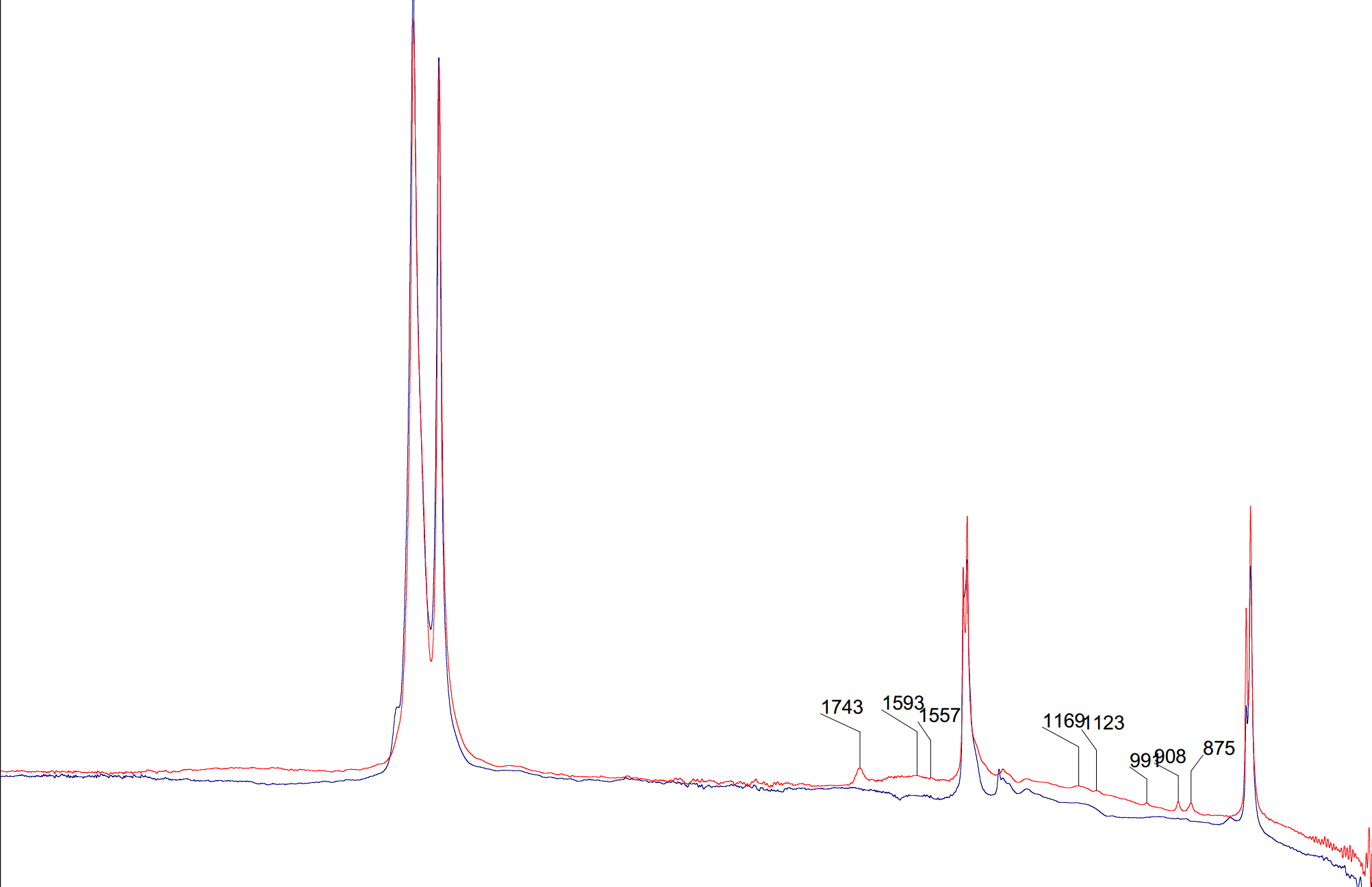
en&2