
long-chain aliphatic hydrocarbon material with carbonyl and hydroxyl/amine-type functionality
ਉੱਪਰ ਦਿੱਤੀ ਰਿਪੋਰਟ ਦੇਖੋ। ਜੇਕਰ ਤੁਹਾਨੂੰ ਫਾਲੋ-ਅੱਪ ਚਰਚਾ ਦੀ ਲੋੜ ਹੈ ਤਾਂ ਹੇਠਾਂ ਦਿੱਤੀਆਂ ਟਿੱਪਣੀਆਂ ਦੀ ਵਰਤੋਂ ਕਰੋ।
long-chain aliphatic hydrocarbon material with carbonyl and hydroxyl/amine-type functionality
ਨਮੂਨਾ ਅਤੇ ਮਾਪ ਪੈਰਾਮੀਟਰ
ਪਛਾਣ ਨਤੀਜਾ
0%The library top hit is 1-Bromodocosane, but the match quality is effectively absent and the sample spectrum contains bands that are not consistent with a simple bromoalkane alone. The observed strong aliphatic C-H stretching region (2913, 2851 cm-1) and methylene-related bands including 1464 and 720 cm-1 support a long-chain hydrocarbon component. However, the clear band at 1748 cm-1 indicates a carbonyl group, and the broad/paired absorption near 3272-3321 cm-1 indicates hydroxyl and/or amine-type functionality, which substantially broadens the chemically supportable conclusion beyond the library's named top hit. On the present evidence, the sample is better described as a long-chain aliphatic organic material containing an additional carbonyl-bearing and hydrogen-bonding functional group rather than being assigned specifically as 1-Bromodocosane
ਵਿਸਤ੍ਰਿਤ ਵਿਆਖਿਆ
- ਚੋਟੀ ਦਾ ਲਾਇਬ੍ਰੇਰੀ ਮੈਚ: 1-Bromodocosane #114 | match 0.0%
- The library top hit is 1-Bromodocosane, but the match quality is effectively absent and the sample spectrum contains bands that are not consistent with a simple bromoalkane alone. The observed strong aliphatic C-H stretching region (2913, 2851 cm-1) and methylene-related bands including 1464 and 720 cm-1 support a long-chain hydrocarbon component. However, the clear band at 1748 cm-1 indicates a carbonyl group, and the broad/paired absorption near 3272-3321 cm-1 indicates hydroxyl and/or amine-type functionality, which substantially broadens the chemically supportable conclusion beyond the library's named top hit. On the present evidence, the sample is better described as a long-chain aliphatic organic material containing an additional carbonyl-bearing and hydrogen-bonding functional group rather than being assigned specifically as 1-Bromodocosane.
- 2913 and 2851 cm-1 are characteristic aliphatic C-H stretching bands from long methylene-rich chains.
- 1464 cm-1 and 720 cm-1 are consistent with methylene deformation and rocking in extended long-chain aliphatic materials.
- 1748 cm-1 supports a carbonyl-bearing component not explained by a plain saturated hydrocarbon alone.
- 3272-3321 cm-1 supports hydroxyl and/or amine-type hydrogen-bonding functionality.
- The leading library candidates are largely long-chain aliphatics, sulfur-linked aliphatics, fatty-chain amides/alcohols, and polyethylene-like materials, indicating a common hydrocarbon-chain motif.
- The sample shows characteristic long-chain aliphatic bands at 2913 and 2851 cm-1 together with a methylene rocking band near 720 cm-1, consistent with extended -(CH2)n- content.
- A strong band at 1748 cm-1 supports the presence of a carbonyl-containing group such as an ester, acid derivative, or related oxygenated function.
- Absorptions at 3272 and 3321 cm-1 indicate hydrogen-bonding functionality, most reasonably hydroxyl and/or N-H containing groups.
- The Top-15 library pattern is dominated by long-chain aliphatic compounds and polyethylene-like entries, which supports a hydrocarbon-rich matrix, but the retrieved matches do not provide a credible narrow compound-level identification.
- No direct reference match or related literature match was recovered to independently confirm a specific named material.
- The library top hit, 1-Bromodocosane, is a simple long-chain bromoalkane and does not account for the observed 1748 cm-1 carbonyl band.
- 1-Bromodocosane also does not explain the 3272-3321 cm-1 hydrogen-bonding absorption region.
- All listed library similarities are 0.000, so the retrieval does not support a reliable entity-level identification.
- The library consensus text suggesting oxygen heterocycle / n eq o is not directly supported by the specific observed peak pattern strongly enough to justify that narrower direction.
- The spectrum supports a hydrocarbon-rich material with additional functionalization, but it does not uniquely distinguish among ester-, alcohol-, amide-, acid-, or mixed-component long-chain organics.
- A halogenated assignment remains unconfirmed because no sample-specific bromine band evidence is provided here.
- The current evidence cannot determine whether the sample is a single compound, an additive-containing material, or a mixture.
ਲਾਇਬ੍ਰੇਰੀ ਤੁਲਨਾ
ਲਾਇਬ੍ਰੇਰੀ ਖੋਜ ਨਤੀਜੇ — ਚੋਟੀ ਦੇ 15 ਉਮੀਦਵਾਰ
| ਰੈਂਕ | ਮੇਲ % | ਮਿਸ਼ਰਿਤ | SMILES | ਸਪੈਕਟ੍ਰਮ ਨੰ. | ਕਾਰਵਾਈ |
|---|---|---|---|---|---|
| ਲਾਇਬ੍ਰੇਰੀ ਉਮੀਦਵਾਰ ਲੋਡ ਹੋ ਰਹੇ ਹਨ... | |||||
ਪੀਕ ਵਿਸ਼ਲੇਸ਼ਣ
★ = ਸਾਹਿਤ-ਸਮਰਥਿਤ ਨਿਰਧਾਰਨਅਨੁਬੰਧ — ਕੱਚਾ ਸਪੈਕਟ੍ਰਮ

ਟਿੱਪਣੀਆਂ ਅਤੇ ਫਾਲੋ-ਅੱਪ ਸਬੂਤ
ਇਸ ਖੇਤਰ ਦੀ ਵਰਤੋਂ ਕਰਕੇ ਵਿਆਖਿਆ ਜਾਰੀ ਰੱਖੋ, ਸਵਾਲ ਪੁੱਛੋ, ਜਾਂ ਵਾਧੂ ਤਸਦੀਕ ਸਬੂਤ ਜੋੜੋ।
This is the FTIR analysis result of a PDF file uploaded by a user with IP 217.xxx.xxx.79 . The original image is shown below. Due to the peak height threshold setting, some weak peaks were not included in the analysis and will be supplemented later.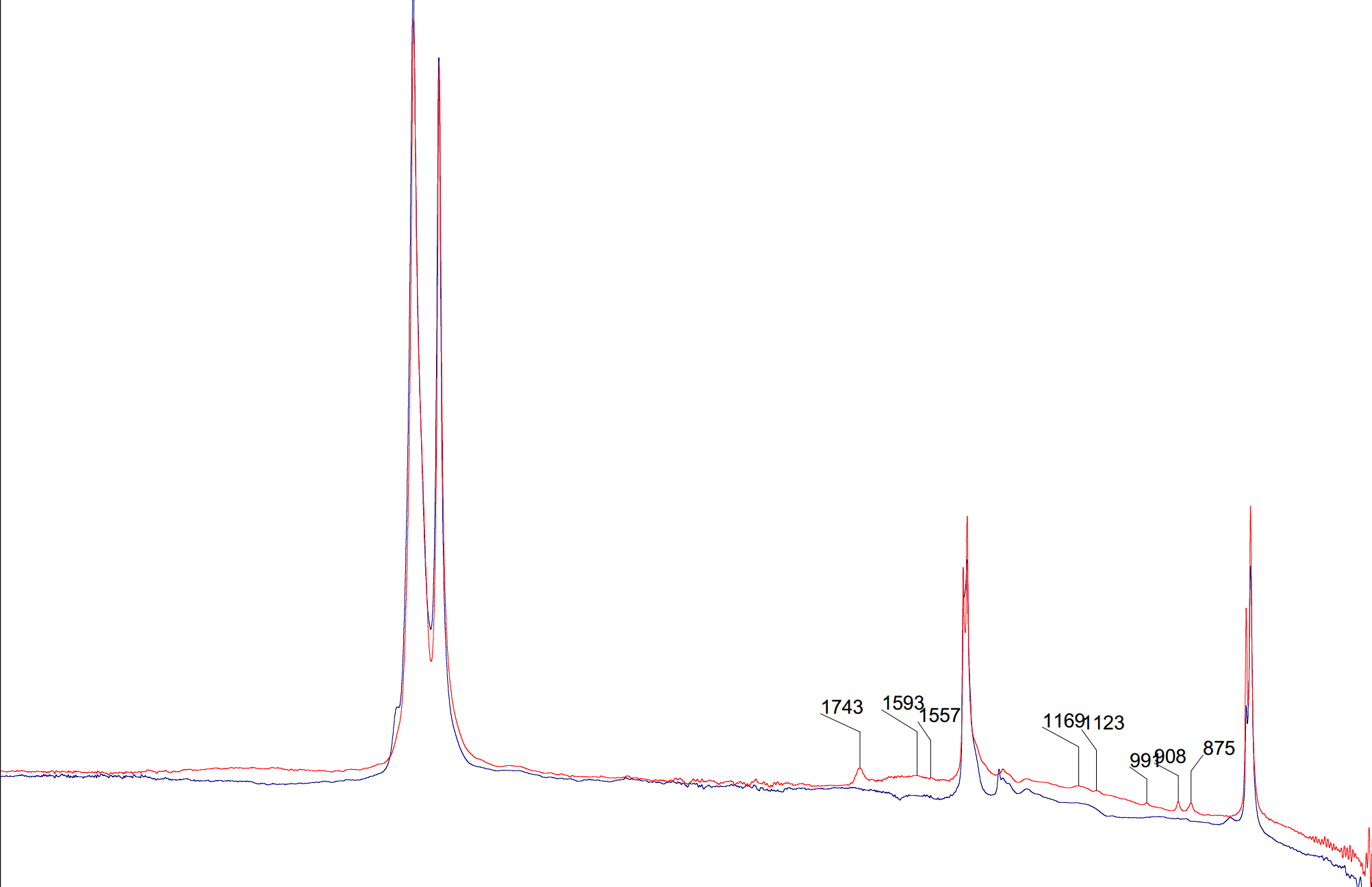
en&2