
methyl-substituted siloxane or other oxygen-containing methyl-rich material
పై నివేదికను వీక్షించండి. మీకు ఫాలో-అప్ చర్చ అవసరమైతే క్రింద వ్యాఖ్యలను ఉపయోగించండి.
methyl-substituted siloxane or other oxygen-containing methyl-rich material
నమూనా & కొలత పారామితులు
గుర్తింపు ఫలితం
0%గమనించిన FTIR నమూనా మిథైల్-సమృద్ధ ఆక్సిజన్-కలిగిన పదార్థానికి అత్యంత అనుకూలంగా ఉంది, సిలోక్సేన్-రకం వివరణ ఆమోదయోగ్యంగా ఉంది ఎందుకంటే నమూనా 1024, 1049 మరియు 1083 cm⁻¹ వద్ద బలమైన బ్యాండ్లతో పాటు 1258 మరియు 1270 cm⁻¹ వద్ద మిథైల్-ప్రాంత బ్యాండ్లు మరియు 795 మరియు 806 cm⁻¹ వద్ద తక్కువ-తరంగ సంఖ్య లక్షణాలచే ఆధిపత్యం చెందింది. అయితే, లైబ్రరీ ఫలితం తక్కువ విశ్వాసం కలిగి ఉంది మరియు నిర్దిష్ట టాప్-హిట్ సమ్మేళనాన్ని స్వతంత్రంగా నిర్ధారించే ప్రత్యక్ష లేదా సంబంధిత సాహిత్య ఆధారాలు లేవు, కాబట్టి డేటా దృఢమైన సమ్మేళన-స్థాయి గుర్తింపు కంటే విస్తృత పదార్థ దిశకు మాత్రమే మద్దతు ఇస్తుంది.
వివరణాత్మక వివరణ
- అత్యుత్తమ లైబ్రరీ మ్యాచ్: 2,2,4,4,6,6,8,8-ఆక్టామీథైల్-1,3,5,7,2,4,6,8-టెట్రాఆక్సాటెట్రాసిలోకేన్ #68221 | match 0.0%
- టాప్ రిఫరెన్స్ లైబ్రరీ పోలిక 2,2,4,4,6,6,8,8-ఆక్టామీథైల్-1,3,5,7,2,4,6,8-టెట్రాఆక్సాటెట్రాసిలోకేన్ను సమీప నామమాత్రపు మ్యాచ్గా తిరిగి ఇస్తుంది.
- నమూనాలో 1024, 1049 మరియు 1083 cm⁻¹ బ్యాండ్ క్లస్టర్ ఉంది, ఇది ఆక్సిజన్-కలిగిన బ్యాక్బోన్కు మద్దతు ఇస్తుంది.
- 1258 మరియు 1270 cm⁻¹ వద్ద ఉన్న బ్యాండ్లు గణనీయమైన మిథైల్ ప్రత్యామ్నాయానికి మద్దతు ఇస్తాయి.
- 795 మరియు 806 cm⁻¹ వద్ద ఉన్న బ్యాండ్లు సిలోక్సేన్-రకం ఫింగర్ప్రింట్ ఫీచర్లతో అనుకూలంగా ఉంటాయి.
- లైబ్రరీ ఏకాభిప్రాయం మిథైల్-సమృద్ధ రసాయనాన్ని సూచిస్తుంది.
- స్పెక్ట్రం 795, 806, 1024, 1049, 1083, 1258 మరియు 1270 cm⁻¹ వద్ద ఉన్న బ్యాండ్ల ద్వారా నిర్వచించబడింది, ఇది మిథైల్-సంబంధిత మరియు ఆక్సిజన్-కలిగిన కంపనాలచే ఆధిపత్యం చెందిన కాంపాక్ట్ ఫింగర్ప్రింట్ నమూనాను సూచిస్తుంది.
- బలమైన నిర్మాణాత్మక సూచన 1024-1083 cm⁻¹ సమీపంలోని క్లస్టర్, ఇది ప్రముఖ సింగిల్-బాండ్ ఆక్సిజన్-కలిగిన ఫ్రేమ్వర్క్తో స్థిరంగా ఉంటుంది మరియు సిలోక్సేన్-రకం Si-O-Si స్ట్రెచింగ్ ప్రవర్తనతో అనుకూలంగా ఉంటుంది.
- 1258 మరియు 1270 cm⁻¹ వద్ద ఉన్న జత బ్యాండ్లు సమృద్ధ మిథైల్ ప్రత్యామ్నాయానికి మద్దతు ఇస్తాయి, ఇది లైబ్రరీ ఏకాభిప్రాయంలో గుర్తించబడిన మిథైల్-సమృద్ధ పాత్రతో కూడా స్థిరంగా ఉంటుంది.
- 795 మరియు 806 cm⁻¹ వద్ద ఉన్న డబ్లెట్-వంటి తక్కువ-తరంగ సంఖ్య లక్షణాలు ప్రత్యామ్నాయ సిలికాన్-ఆక్సిజన్ పదార్థాలతో కూడా అనుకూలంగా ఉంటాయి, అయినప్పటికీ అవి ఖచ్చితమైన చక్రీయ సిలోక్సేన్ లైబ్రరీ హిట్ను నిరూపించడానికి తగినంతగా లేవు.
- టాప్-15 లైబ్రరీ జాబితాలో, పునరావృతమయ్యే ఏకైక రసాయనికంగా సమన్వయ మూలాంశం మిథైల్-సమృద్ధ, బలహీనంగా ఫీచర్ చేయబడిన, నాన్-కార్బొనిల్ ఫింగర్ప్రింట్ రసాయనం; ఆ అభ్యర్థులలో, సిలోక్సేన్-కలిగిన ఎంట్రీలు మళ్లీ సంభవిస్తాయి, కానీ మొత్తం మ్యాచ్ నాణ్యత ప్రభావవంతంగా నాన్-డిస్క్రిమినేటింగ్గా ఉంటుంది.
- నివేదించబడిన అన్ని లైబ్రరీ సారూప్యతలు 0.000, కాబట్టి పునరుద్ధరణ నమ్మదగిన వివక్షత మ్యాచ్ను అందించదు.
- టాప్-15 అభ్యర్థి సెట్ రసాయనికంగా మిశ్రమంగా ఉంది, ఇందులో నైట్రైల్స్, హాలోజినేటెడ్ హైడ్రోకార్బన్లు మరియు ఇతర సంబంధం లేని సమ్మేళనాలు ఉన్నాయి, ఇది ఇరుకైన గుర్తింపుపై విశ్వాసాన్ని పరిమితం చేస్తుంది.
- ప్రత్యేకమైన మాలిక్యులర్ అసైన్మెంట్ను నిర్ధారించడానికి ఫింగర్ప్రింట్ ప్రాంతం వెలుపల ఎటువంటి సహాయక శిఖరాలు నివేదించబడలేదు.
- ప్రస్తుత డేటా ఒక నిర్దిష్ట చక్రీయ సిలోక్సేన్ను విస్తృత మిథైల్-ప్రత్యామ్నాయ సిలోక్సేన్ పదార్థం నుండి సురక్షితంగా వేరు చేయదు.
- స్పెక్ట్రం సారాంశం ఇరుకైనది మరియు సాహిత్య మద్దతు లేనందున, ప్రస్తుత ఆధారాల నుండి మాత్రమే ఇతర మిథైల్-సమృద్ధ ఆక్సిజన్-కలిగిన పదార్థాలను మినహాయించలేము.
- ప్రస్తుత ఆధారాలు విస్తృత పదార్థ దిశకు సరిపోతాయి, కానీ ఖచ్చితమైన ఎంటిటీ-స్థాయి గుర్తింపుకు సరిపోవు.
లైబ్రరీ పోలిక
లైబ్రరీ శోధన ఫలితాలు — టాప్ 15 అభ్యర్థులు
| ర్యాంక్ | సరిపోలిక % | సమ్మేళనం | SMILES | స్పెక్ట్రం నం. | చర్య |
|---|---|---|---|---|---|
| లైబ్రరీ అభ్యర్థులను లోడ్ చేస్తోంది... | |||||
శిఖర విశ్లేషణ
★ = సాహిత్య-సమర్థిత నియామకంఅనుబంధం — రా స్పెక్ట్రమ్

వ్యాఖ్యలు మరియు ఫాలో-అప్ సాక్ష్యం
ఈ ప్రాంతాన్ని ఉపయోగించి వివరణ కొనసాగించండి, ప్రశ్నలు అడగండి లేదా అదనపు ధృవీకరణ సాక్ష్యాన్ని జోడించండి.
This is the search result for the file with the extension .JEPG uploaded by user 5:xx.xx.229 raw image: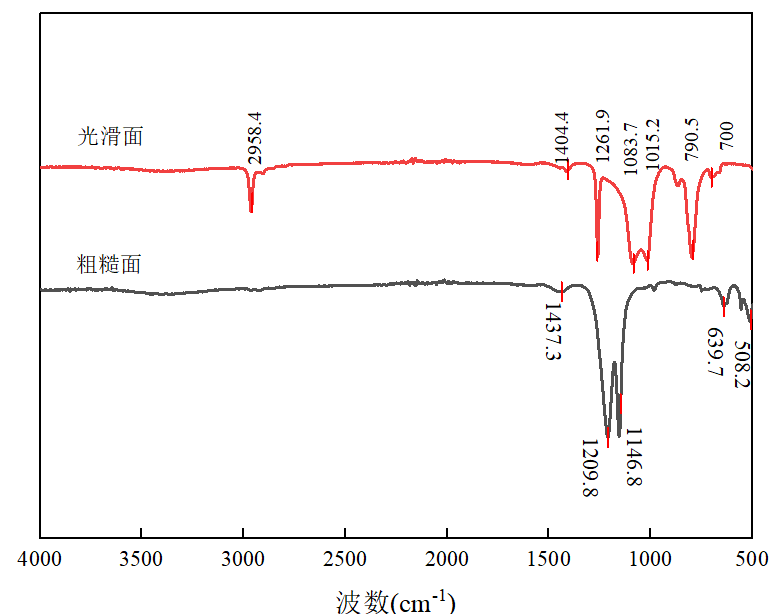
en&2