
RESULTATSIDA
methyl-substituted siloxane or other oxygen-containing methyl-rich material
Visa rapporten ovan. Använd kommentarerna nedan om du behöver uppföljningsdiskussion.
FTIR-analysrapport
methyl-substituted siloxane or other oxygen-containing methyl-rich material
Prov- och mätparametrar
Rapport nr.
20241213142727225688126
Datum
2024-12-13 12:32:03
Spektralområde (cm⁻¹)
[(650, 4000)]
Baslinje
AsLS-baslinjekorrigering
Biblioteksträff
0%
Identifieringsresultat
0%Det observerade FTIR-mönstret överensstämmer mest med ett metylrikt syreinnehållande material, där en siloxanliknande tolkning är rimlig eftersom provet domineras av starka band vid 1024, 1049 och 1083 cm⁻¹ tillsammans med metylregionband vid 1258 och 1270 cm⁻¹ och lågvågiga drag vid 795 och 806 cm⁻¹. Men biblioteksresultatet har låg tillförlitlighet och inga direkta eller relaterade litteraturbevis bekräftar oberoende den specifika toppträffen, så uppgifterna stöder endast en breddad materialriktning snarare än en fast identifiering på föreningsnivå.
Detaljerad tolkning
- Bästa biblioteksträff: 2,2,4,4,6,6,8,8-octamethyl-1,3,5,7,2,4,6,8-tetraoxatetrasilocane #68221 | match 0.0%
- Jämförelse med det främsta referensbiblioteket returnerar 2,2,4,4,6,6,8,8-oktametyl-1,3,5,7,2,4,6,8-tetraoxatetrasilokan som närmaste namngivna träff.
- Provet innehåller ett starkt bandkluster vid 1024, 1049 och 1083 cm⁻¹, vilket stöder en syreinnehållande ryggrad.
- Band vid 1258 och 1270 cm⁻¹ stöder betydande metylsubstitution.
- Band vid 795 och 806 cm⁻¹ är kompatibla med siloxanliknande fingeravtrycksdrag.
- Bibliotekskonsensus i sig pekar på metylrik kemi.
- Spektrum definieras av band vid 795, 806, 1024, 1049, 1083, 1258 och 1270 cm⁻¹, vilket indikerar ett kompakt fingeravtrycksmönster dominerat av metylassocierade och syreinnehållande vibrationer.
- Den starkaste strukturella ledtråden är klustret nära 1024-1083 cm⁻¹, vilket överensstämmer med en framträdande enkelbindnings syreinnehållande ram och är kompatibelt med siloxanliknande Si-O-Si-sträckningsbeteende.
- De parade banden vid 1258 och 1270 cm⁻¹ stöder riklig metylsubstitution, vilket också överensstämmer med den metylrika karaktären som noterats i bibliotekskonsensus.
- De dubblettliknande lågvågiga dragen vid 795 och 806 cm⁻¹ är också kompatibla med substituerade kisel-syrematerial, även om de i sig inte är tillräckliga för att bevisa den exakta cykliska siloxanträffen från biblioteket.
- Över listan med de 15 bästa biblioteksträffarna är det enda återkommande kemiskt sammanhängande motivet metylrik, svagt markerad, icke-karbonyl fingeravtryckskemi; bland dessa kandidater återkommer siloxaninnehållande poster, men den övergripande matchkvaliteten förblir i praktiken icke-diskriminerande.
- Alla rapporterade bibliotekslikheter är 0.000, så sökningen ger inte en tillförlitlig diskriminerande träff.
- De 15 bästa kandidaterna är kemiskt blandade, inklusive nitriler, halogenkolväten och andra orelaterade föreningar, vilket begränsar förtroendet för en snäv identifiering.
- Inga stödjande toppar rapporteras utanför fingeravtrycksområdet för att bekräfta en unik molekylär tilldelning.
- Nuvarande data skiljer inte säkert en specifik cyklisk siloxan från ett bredare metylsubstituerat siloxanmaterial.
- Eftersom spektrumutdraget är smalt och litteraturstöd saknas kan andra metylrika syreinnehållande material inte uteslutas enbart från nuvarande bevis.
- Nuvarande bevis är tillräckliga för en bred materialriktning, men inte för en definitiv identifiering på entitetsnivå.
Biblioteksjämförelse
Biblioteksspektrum kommer att visas här.
Bibliotekssökresultat — Topp 15 kandidater
| Rankning | Matcha % | Förening | SMILES | Spektrum nr. | Åtgärd |
|---|---|---|---|---|---|
| Laddar bibliotekskandidater... | |||||
Toppanalys
★ = Litteraturstödd tilldelningBilaga — Råspektrum

Diskussion
Kommentarer och uppföljningsbevis
Använd detta område för att fortsätta tolkningen, ställa frågor eller lägga till extra verifieringsbevis.
This is the search result for the file with the extension .JEPG uploaded by user 5:xx.xx.229 raw image: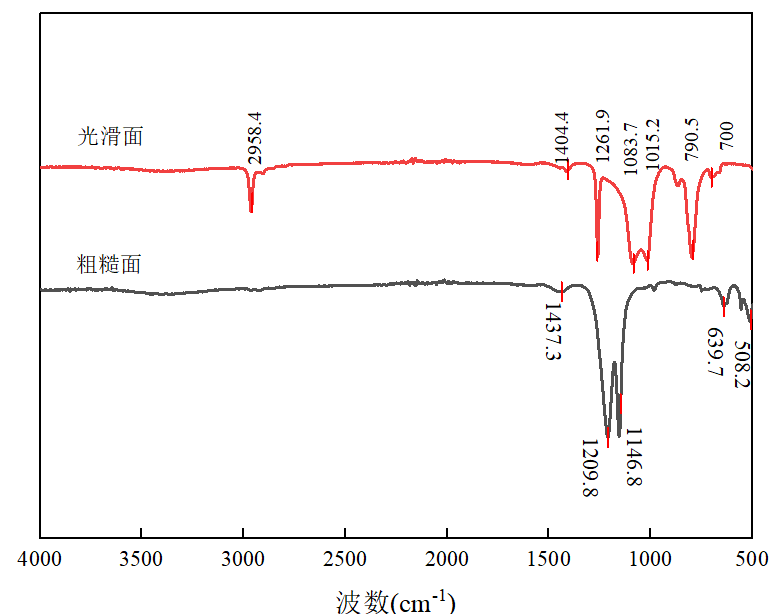
en&2