
STRANICA REZULTATA
methyl-substituted siloxane or other oxygen-containing methyl-rich material
Pogledajte izvješće iznad. Koristite komentare ispod ako trebate dodatnu raspravu.
FTIR izvješće o analizi
methyl-substituted siloxane or other oxygen-containing methyl-rich material
Parametri uzorka i mjerenja
Izvještaj br.
20241213142727225688126
Datum
2024-12-13 12:32:03
Spektralni raspon (cm⁻¹)
[(650, 4000)]
Osnovna linija
AsLS korekcija osnovne linije
Podudaranje iz biblioteke
0%
Rezultat identifikacije
0%Uočeni FTIR obrazac najkonzistentniji je s materijalom bogatim metilom koji sadrži kisik, a tumačenje tipa siloksana je uvjerljivo jer u uzorku dominiraju jake vrpce na 1024, 1049 i 1083 cm⁻¹ zajedno s vrpcema metilnog područja na 1258 i 1270 cm⁻¹ i značajkama niskog valnog broja na 795 i 806 cm⁻¹. Međutim, rezultat knjižnice je niske pouzdanosti i nema izravnih ili povezanih literaturnih dokaza koji neovisno potvrđuju specifični najbolji spoj, tako da podaci podržavaju samo prošireni smjer materijala, a ne čvrstu identifikaciju na razini spoja.
Detaljna interpretacija
- Najbolje podudaranje iz knjižnice: 2,2,4,4,6,6,8,8-octamethyl-1,3,5,7,2,4,6,8-tetraoxatetrasilocane #68221 | match 0.0%
- Usporedba s vrhunskom referentnom knjižnicom vraća 2,2,4,4,6,6,8,8-oktametil-1,3,5,7,2,4,6,8-tetraoksatetrasilokan kao najbliži imenovani podudarni spoj.
- Uzorak sadrži jak klaster vrpca na 1024, 1049 i 1083 cm⁻¹, što podupire kostur koji sadrži kisik.
- Vrpce na 1258 i 1270 cm⁻¹ podupiru znatnu metilnu supstituciju.
- Vrpce na 795 i 806 cm⁻¹ kompatibilne su sa značajkama otiska prsta tipa siloksana.
- Sama knjižnička konsenzus ukazuje na kemiju bogatu metilom.
- Spektar je definiran vrpcema na 795, 806, 1024, 1049, 1083, 1258 i 1270 cm⁻¹, što ukazuje na kompaktan obrazac otiska prsta kojim dominiraju vibracije povezane s metilom i koje sadrže kisik.
- Najjači strukturni trag je klaster blizu 1024-1083 cm⁻¹, koji je u skladu s istaknutim okvirom s jednostrukom vezom koji sadrži kisik i kompatibilan je s rastezanjem Si-O-Si tipa siloksana.
- Uparene vrpce na 1258 i 1270 cm⁻¹ podupiru obilnu metilnu supstituciju, što je također u skladu s karakterom bogatim metilom zabilježenim u knjižničkom konsenzusu.
- Značajke nalik dubletu niskog valnog broja na 795 i 806 cm⁻¹ također su kompatibilne s supstituiranim materijalima silicij-kisik, iako same po sebi nisu dovoljne za dokazivanje točnog pogotka cikličkog siloksana u knjižnici.
- Na popisu prvih 15 knjižnica, jedini ponavljajući kemijski koherentni motiv je kemija bogata metilom, slabo izražena, ne-karbonilna kemija otiska prsta; među tim kandidatima ponavljaju se unosi koji sadrže siloksan, ali ukupna kvaliteta podudaranja ostaje u biti nediskriminirajuća.
- Sve prijavljene sličnosti knjižnice su 0.000, tako da pretraživanje ne pruža pouzdanu diskriminirajuću podudarnost.
- Skup prvih 15 kandidata kemijski je mješovit, uključujući nitrile, halogenirane ugljikovodike i druge nepovezane spojeve, što ograničava povjerenje u usku identifikaciju.
- Nisu prijavljene potporne vrpce izvan područja otiska prsta koje bi potvrdile jedinstvenu molekularnu dodjelu.
- Sadašnji podaci ne razlikuju pouzdano specifični ciklički siloksan od šireg metil-supstituiranog siloksanskog materijala.
- Budući da je isječak spektra uzak i literaturna podrška izostaje, drugi materijali bogati metilom koji sadrže kisik ne mogu se isključiti samo na temelju trenutnih dokaza.
- Trenutni dokazi dovoljni su za široki smjer materijala, ali ne i za konačnu identifikaciju na razini entiteta.
Usporedba knjižnica
Knjižnični spektar će se prikazati ovdje.
Rezultati pretraživanja knjižnice — prvih 15 kandidata
| Rang | Podudaranje % | Spoj | SMILES | Br. spektra | Radnja |
|---|---|---|---|---|---|
| Učitavanje kandidata biblioteke... | |||||
Analiza vrhova
★ = Zadavanje potkrijepljeno literaturomDodatak — Sirovi spektar

Rasprava
Komentari i dodatni dokazi
Koristite ovo područje za nastavak interpretacije, postavljanje pitanja ili dodavanje dodatnih dokaza provjere.
This is the search result for the file with the extension .JEPG uploaded by user 5:xx.xx.229 raw image: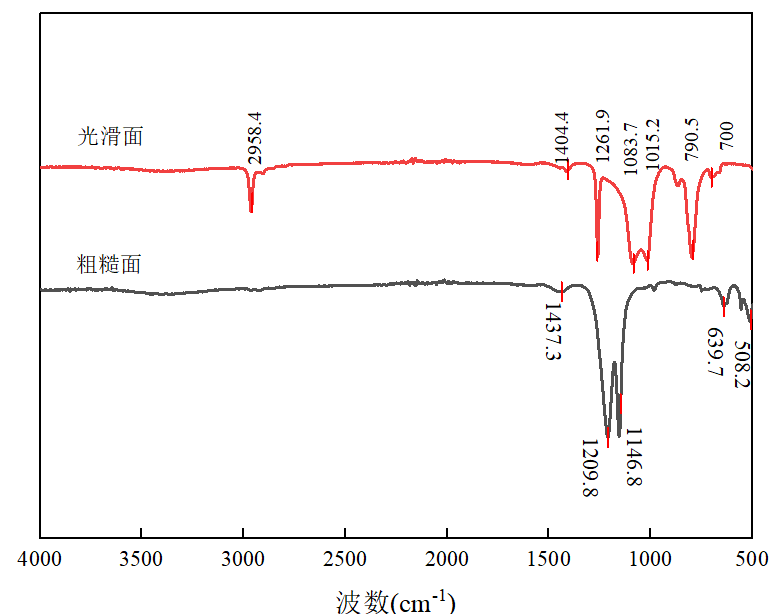
en&2