
methyl-substituted siloxane or other oxygen-containing methyl-rich material
Se rapporten ovenfor. Brug kommentarerne nedenfor, hvis du har brug for opfølgende diskussion.
methyl-substituted siloxane or other oxygen-containing methyl-rich material
Prøve- og måleparametre
Identifikationsresultat
0%Det observerede FTIR-mønster er mest i overensstemmelse med et methylrigt oxygenholdigt materiale, med en siloxan-type fortolkning plausibel fordi prøven domineres af stærke bånd ved 1024, 1049 og 1083 cm⁻¹ sammen med methylregionbånd ved 1258 og 1270 cm⁻¹ og lavbølgetalstræk ved 795 og 806 cm⁻¹. Dog er spektralbiblioteksresultatet af lav tillid og ingen direkte eller relateret litteratur evidens bekræfter uafhængigt den specifikke top-hit-forbindelse, så dataene understøtter kun en bredere materialeretning snarere end en fast forbindelsesniveauidentifikation.
Detaljeret fortolkning
- Bedste biblioteksmatch: 2,2,4,4,6,6,8,8-octamethyl-1,3,5,7,2,4,6,8-tetraoxatetrasilocane #68221 | match 0.0%
- Den bedste reference fra spektralbiblioteket er 2,2,4,4,6,6,8,8-octamethyl-1,3,5,7,2,4,6,8-tetraoxatetrasilocane som nærmeste navngivne match.
- Prøven indeholder en stærk 1024, 1049 og 1083 cm⁻¹ båndklynge, hvilket understøtter en oxygenholdig rygrad.
- Bånd ved 1258 og 1270 cm⁻¹ understøtter betydelig methylsubstitution.
- Bånd ved 795 og 806 cm⁻¹ er kompatible med siloxan-type fingeraftrykstræk.
- Spektralbibliotekets konsensus peger selv på methylrig kemi.
- Spektret er defineret af bånd ved 795, 806, 1024, 1049, 1083, 1258 og 1270 cm⁻¹, hvilket indikerer et kompakt fingeraftryksmønster domineret af methyl-associerede og oxygenholdige vibrationer.
- Det stærkeste strukturelle spor er klyngen nær 1024-1083 cm⁻¹, som er i overensstemmelse med en fremtrædende enkeltbindings oxygenholdig ramme og er kompatibel med siloxan-type Si-O-Si strækningsadfærd.
- De parrede bånd ved 1258 og 1270 cm⁻¹ understøtter rigelig methylsubstitution, hvilket også er i overensstemmelse med den methylrige karakter noteret i spektralbibliotekets konsensus.
- De dublet-lignende lavbølgetalstræk ved 795 og 806 cm⁻¹ er også kompatible med substituerede silicium-oxygen materialer, selvom de ikke i sig selv er tilstrækkelige til at bevise det præcise cykliske siloxan spektralbibliotekstræf.
- På tværs af top-15 spektralbibliotekslisten er det eneste gentagne kemisk sammenhængende motiv methylrig, svagt karakteriseret, ikke-carbonyl fingeraftrykskemi; blandt disse kandidater gentager siloxanholdige poster sig, men den samlede matchkvalitet forbliver effektivt ikkediskriminerende.
- Alle rapporterede spektralbiblioteksligheder er 0.000, så genfindingen giver ikke en pålidelig diskriminerende match.
- Top-15 kandidatsættet er kemisk blandet, herunder nitriler, halogenerede kulbrinter og andre ubeslægtede forbindelser, hvilket begrænser tilliden til en snæver identifikation.
- Ingen understøttende toppe rapporteres uden for fingeraftryksområdet for at bekræfte en unik molekylær tildeling.
- De nuværende data adskiller ikke sikkert et specifikt cyklisk siloxan fra et bredere methylsubstitueret siloxanmateriale.
- Fordi spektrumudsnittet er smalt og litteraturstøtte mangler, kan andre methylrige oxygenholdige materialer ikke udelukkes udelukkende fra den nuværende evidens.
- Den nuværende evidens er tilstrækkelig til en bred materialeretning, men ikke til en endelig entitetsniveauidentifikation.
Bibliotekssammenligning
Bibliotekssøgningsresultater — top 15 kandidater
| Rang | Match % | Forbindelse | SMILES | Spektrum nr. | Handling |
|---|---|---|---|---|---|
| Indlæser bibliotekskandidater... | |||||
Peak-analyse
★ = Litteraturunderstøttet tildelingBilag — Råspektrum

Kommentarer og opfølgende beviser
Brug dette område til at fortsætte fortolkningen, stille spørgsmål eller tilføje yderligere verificeringsbeviser.
This is the search result for the file with the extension .JEPG uploaded by user 5:xx.xx.229 raw image: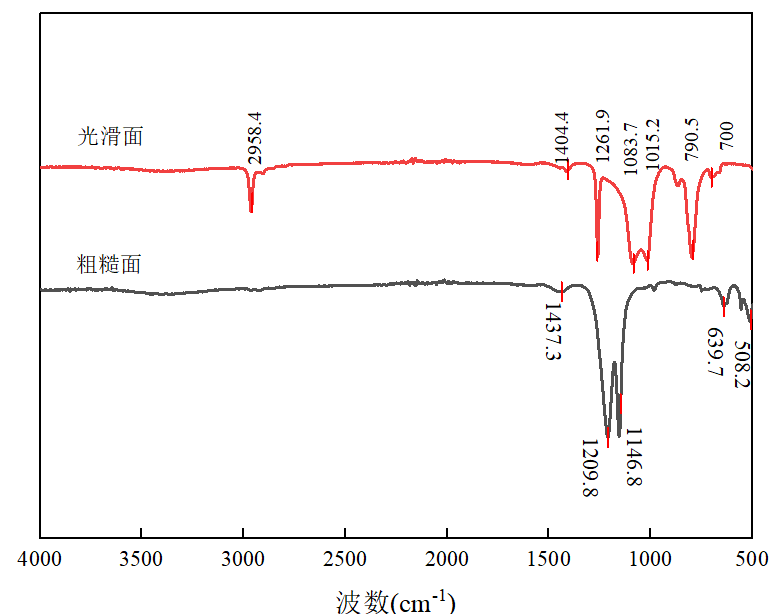
en&2